Lifestyle
420: The Most Famous “Code” That Was Never a Code

By OG Strain for The Plug’s Pages
Every year on April 20th, something magical happens.
No, not taxes. Relax.
I’m talking about 4/20 — the unofficial, worldwide, roll-it-up-and-light-it cannabis holiday. A day where lighters flick in unison, smoke clouds form like weather systems, and even your one friend who “quit smoking” suddenly remembers they didn’t.
But here’s the wild part:
Most people celebrating 4/20 don’t actually know where it came from.
And if you’ve ever told someone, “Yeah bro, it’s a police code for weed,” I’m about to respectfully… and humorously… ruin your entire origin story.
⸻
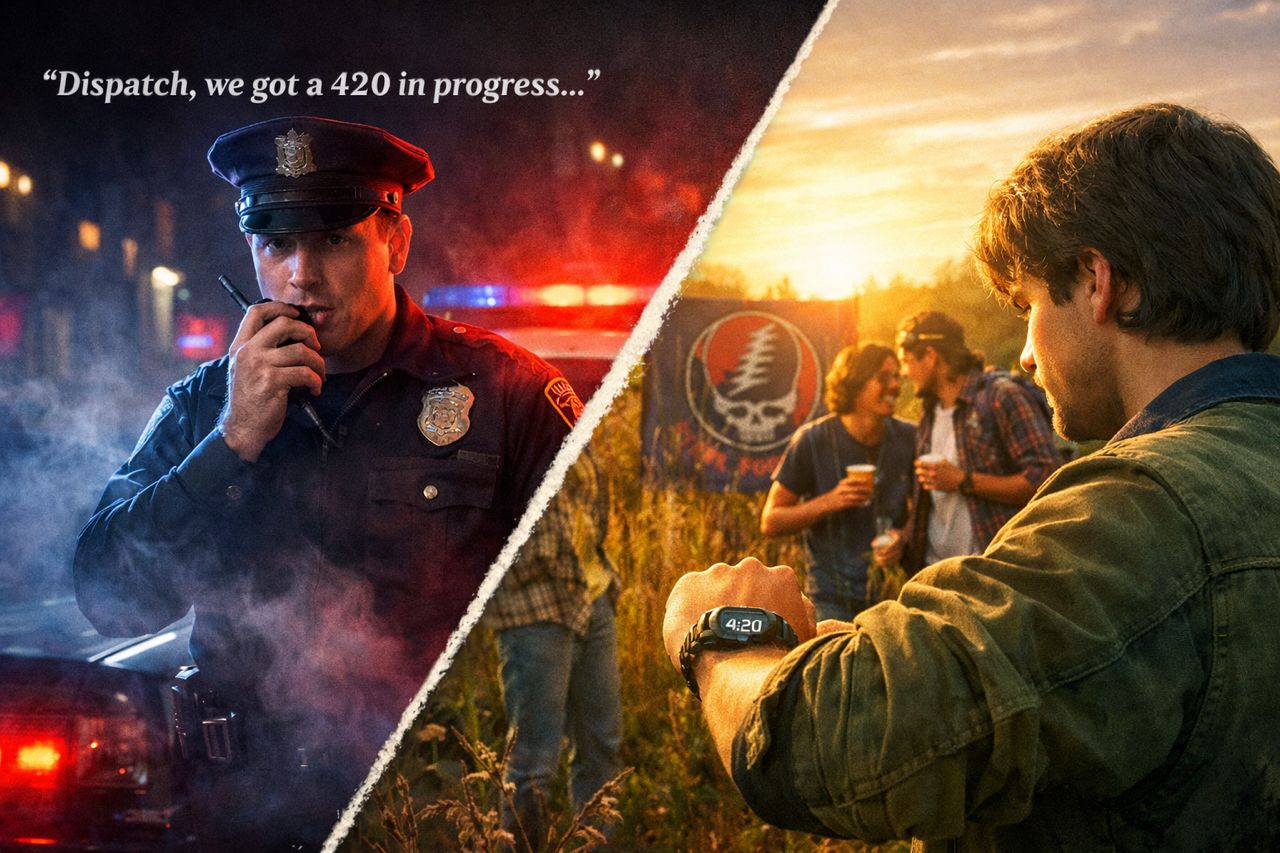
The Myth: “We Have a 420 in Progress”
Let’s start with the most common explanation — the one that’s been passed around like a blunt at a house party.
The idea goes like this:
Police officers supposedly used “420” as a code for marijuana-related activity. You know, like:
“Dispatch, we got a 420 in progress.”
Sounds official. Sounds believable. Sounds like something that would absolutely ruin your vibe mid-session.
There’s just one problem…
It’s not true.
Police codes vary by department, city, and state — and “420” has never been a universal code for cannabis. In some places, it doesn’t even exist as a code at all. So while it makes for a cool, rebellious story, it’s basically cannabis folklore.
⸻
The Real Story: Five High School Kids and a Treasure Hunt
Now here’s where things get interesting.
The true origin of 420 traces back to the early 1970s in San Rafael, California, with a group of high school students known as “The Waldos.”
No, not the guy from Where’s Waldo? — although they were just as hard to track down after school.
These five friends would meet up at exactly 4:20 PM — after sports practice — to search for an abandoned cannabis crop they heard rumors about near Point Reyes.
They used “420” as a code word so they could talk about their plans without parents, teachers, or anyone else catching on.
“420 after school?”
Translation: “Let’s go on a weed treasure hunt.”
Spoiler alert:
They never found the legendary stash.
But what they did find… was history.
⸻
How 420 Went From Inside Joke to Global Movement
Now you might be thinking:
“How does a random group of teenagers turn a meetup time into an international holiday?”
Two words: right place. right connections.
The Waldos had ties to people associated with the band Grateful Dead — and if you know anything about Deadheads, you know they didn’t exactly gatekeep good vibes.
The term “420” started spreading through that circle like wildfire — from concerts to parking lots to, well… more parking lots.
Eventually, it made its way into magazines, most notably High Times, which helped cement 420 into cannabis culture permanently.
By the time the internet came around?
It was game over.
420 wasn’t just a code anymore.
It was a movement.
⸻
Evolution of 420: From Secret Code to Cultural Holiday
What started as a low-key after-school link-up is now:
A global cannabis celebration
A symbol of unity and community
A day for advocacy, legalization, and awareness
And let’s be honest… a day to smoke like it’s your full-time job
From college campuses to city parks to full-blown festivals, 4/20 has evolved into something way bigger than its origin.
You’ve got events, concerts, product drops, dispensary deals, and enough smoke in the air to confuse local weather reports.
⸻
The Meaning of 420 Today
420 isn’t just about lighting up anymore.
It represents:
The fight for legalization
The normalization of cannabis culture
The creativity, entrepreneurship, and lifestyle built around the plant
It’s a reminder of how far the cannabis community has come — from back-alley whispers to front-page headlines.
And somehow, through all that growth, it still holds onto its roots:
A group of friends.
A shared ritual.
A moment in time — 4:20 PM — where everything pauses… and the vibe begins.
⸻
Final Hit (You Knew This Was Coming)
So next time someone says,
“420 is a police code,”
You can hit them with the truth:
“Nah… it’s actually from some high school kids who couldn’t find their weed.”
And honestly?
That might be the most relatable origin story in cannabis history.
Happy 4/20, everyone. Stay lifted, stay informed, and enjoy the holiday responsibly.
And remember…
If it’s 4:19…
you got a minute.



Lifestyle
I DON’T WANT TO WASTE ANOTHER DAY: WHY I’M BUILDING MY LEGACY IN THE 518 CANNABIS COMMUNITY
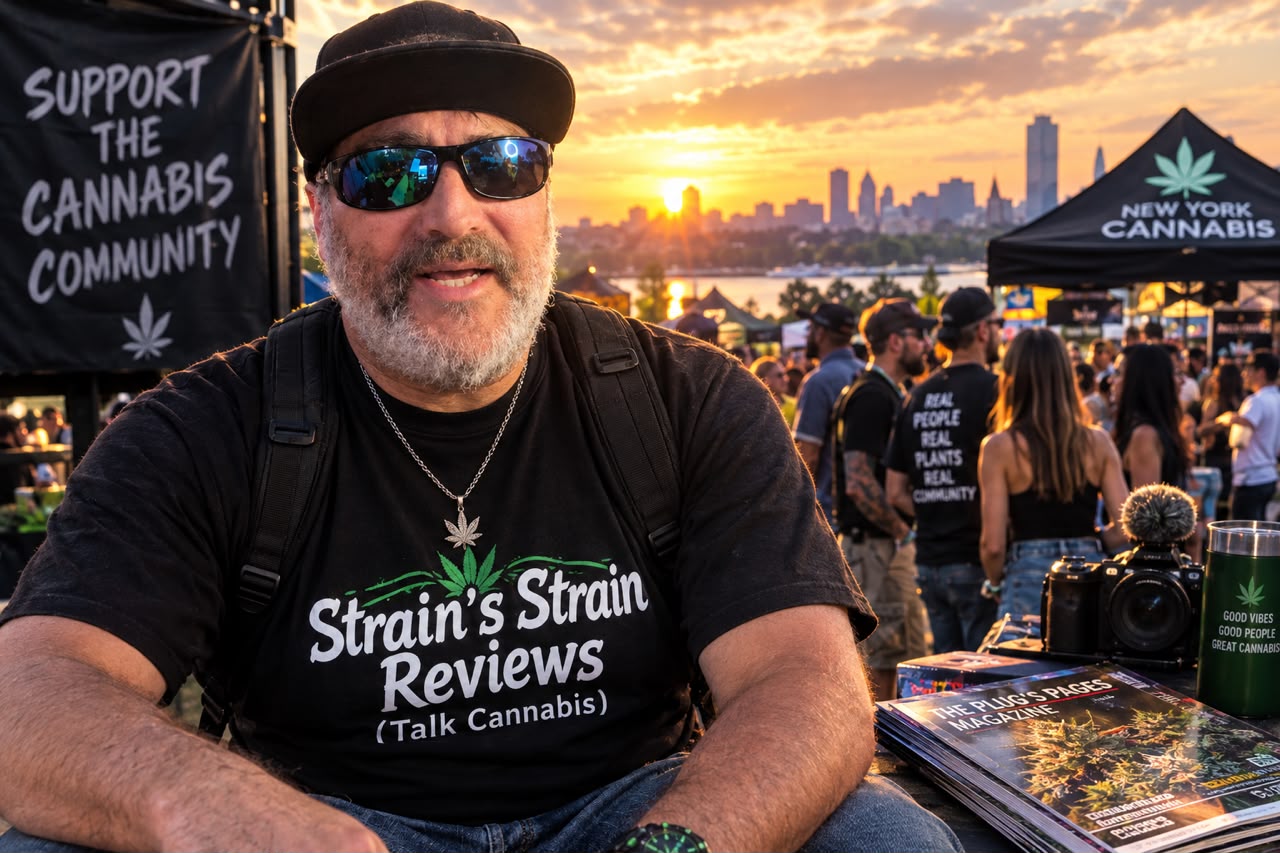
I’m 49 years old, and lately, I’ve been thinking about something that hits a little differently when you get to this stage of life: time doesn’t slow down for anybody, and none of us knows how much of it we have left.
It feels like I was just a kid yesterday. Now, here I am, approaching 50, looking back at how quickly the years have disappeared. Half my life may already be behind me, possibly more. Ten or twenty years might sound like a long time, but the truth is, none of us is guaranteed even that. Life can change in an instant, and tomorrow is never promised.
That realization has me looking at everything differently. I don’t want to waste another day, another hour, or another minute doing something that doesn’t mean anything to me. I want to make the absolute most of the time I have left. I want to wake up every morning knowing I’m doing something I genuinely love, spending time with people I respect, and building something that will mean something long after I’m gone.
I want every day to be the best day it can possibly be.
And the more I think about what that means for me, the more I realize that cannabis is a big part of the answer.
But it’s not just about getting high. If that were all this was about, I would have lost interest a long time ago.
For me, cannabis is about the flower, the flavors, the different strains, the people behind the plants, the growers putting their hearts into their craft, and the personalities that make this industry what it is. It’s about the conversations, the friendships, the laughs, the events, and the connections you make with people who share your passion.
Over the years, I’ve met some incredible characters in this industry. Some started out as acquaintances, some as business connections, and some as people I simply wanted to learn more about. Today, many of them are people I consider genuine friends.
And that’s when it really hit me: I’m not just passionate about cannabis. I’m passionate about the community that surrounds it.
That community has become a huge part of what makes my days meaningful. It gives me something to look forward to, something to work toward, and something I can contribute to. And if I’m going to spend my time on this earth doing something, I want it to be something I love.
I want to be able to look back one day and know I made a difference.
SO, WHO THE HELL IS OG STRAIN?
Over the last two years, Tim Strain has evolved into OG Strain. What started as a passion has grown into something much bigger, and naturally, people have started asking me a question:
“What exactly are you trying to build here?”
It’s a fair question.
I’m not a commercial grower. I’m not a distributor. I’m not trying to own a cultivation facility or build a cannabis company. My lane is different, and I’ve been figuring that out as I go.
I write about cannabis. I review strains. I share my experiences and opinions. I cover the people, products, businesses, and events that make this industry tick. Through Strain’s Strain Reviews (Talk Cannabis) and my writing for The Plug’s Pages Magazine, I’m building a name, a platform, and a reputation in the New York cannabis scene.
But if you think my goal is simply to rack up views, collect followers, or put my name on a bunch of articles, you’re missing the bigger picture.
Honestly, I want to be the 518’s “Dope As Yola.”
I want to become the cannabis personality people recognize, the guy people look forward to seeing at events, the reviewer whose opinion they respect, and the writer whose work they actually want to read. I want to be somebody people know by name, not because I’m the loudest person in the room, but because I’ve earned my place in the community.
I want to be THAT GUY.
The guy who walks into a cannabis event and gets greeted by people from every corner of the industry. The guy who can strike up a conversation with a grower, a brand owner, a budtender, a fellow reviewer, or somebody attending their very first cannabis festival and feel equally comfortable with all of them.
The guy who can sit down with people who have completely different backgrounds, experiences, and opinions and still find common ground.
And yes, I want to be the guy standing in line at a cannabis festival when the host spots me and says, “Hey, that’s OG Strain! What the hell is he doing standing in line? Everybody knows OG. Get that man in here!”
I’m not going to lie. That would make me smile.
Not because I think I’m better than anybody else, and certainly not because I believe I’m entitled to special treatment. It’s because that moment represents something much more meaningful than skipping a line.
It represents recognition.
And here’s something people should understand: I’m not just talking about some fantasy scenario that I hope happens someday. It has happened before.
There have been times when I’ve been welcomed into festivals and shows without having to pay admission, and times when I’ve been recognized and waved past the line. Does it happen every time? Of course not. I don’t expect it to, either. But when it does happen, I can’t begin to explain what that feeling means to me.
Imagine pouring your time, energy, and passion into something, often without getting paid for the hours you put in, and then having somebody unexpectedly show you that they noticed.
That’s what it feels like.
It’s confirmation that the work I’m doing is being seen and appreciated. It’s a reminder that the relationships I’ve built mean something and that I’m becoming more than just another guy with a camera or a social media account.
And honestly? That feeling is worth more to me than the free admission itself.
Because I’m not trying to buy my way into this community. I’m trying to earn my place in it.
FIFTY HOURS A WEEK. ZERO EXPECTATIONS.
Here’s something people might not realize about what I do.
Between writing, reviewing, creating content, sharing information, connecting people, supporting businesses, and helping others get their names and products in front of an audience, I can easily put in 50 hours a week.
And much of that time is time I donate.
I’m not walking around handing out invoices every time I help somebody. I’m not keeping a running tab of favors, waiting for somebody to pay me back. When I see a person or a business doing things the right way and genuinely contributing something worthwhile to the community, I want to support them.
If I can help a good business get noticed, I want to help. If I can introduce people who could benefit from knowing each other, I’m happy to make that connection. If I can share somebody’s work, highlight a product, write an article, or bring attention to something deserving, I’ll do what I can.
I want to see good people succeed. I want to see hardworking businesses thrive. And I want to see the New York cannabis community become a place where people can build real relationships, support one another, and grow together.
But don’t mistake my willingness to support people for a willingness to compromise my integrity.
Not every business is going to get my support, and not every product is going to get a glowing review. Having a platform means having a responsibility to be honest about what I experience. My credibility matters, and I’m not willing to sacrifice it just to make somebody happy.
Supporting this community doesn’t mean pretending everything is perfect. It means recognizing the people who are putting in the work, doing things properly, and treating others with respect.
And I do this because I genuinely enjoy it.
Still, let’s be real: when you put 50 hours a week into something, it means something when people notice.
I don’t expect free admission to every festival. I don’t expect special treatment from every business I support. I don’t believe writing an article or reviewing a strain automatically earns me a favor.
But when somebody remembers what I’ve done and says, “OG, you’re good. Come on in,” I appreciate the hell out of it.
It tells me the relationship goes beyond a transaction. It tells me they see me as part of their community.
And that feeling is priceless.
I RETURN ENERGY. ALWAYS HAVE, ALWAYS WILL.
There’s a saying I live by: I look out for the people who look out for me.
I return energy.
If somebody supports my work, gives me opportunities, shares my content, includes me in something special, or simply takes the time to show genuine appreciation, I remember it. I notice who makes an effort, who reaches out, who keeps their word, and who treats people well when there’s nothing obvious to gain.
And when somebody shows me that kind of respect, I want to return it. Maybe that means supporting their next event, highlighting their work, writing about something they’re doing, sharing their accomplishments, or simply showing up when they need somebody in their corner.
Real relationships are built through consistency, trust, and mutual respect.
I also understand that nobody can support everybody all the time. People have their own lives, businesses, families, responsibilities, and financial realities. I don’t expect everyone to do something for me just because I’ve done something for them.
This isn’t about keeping score. It’s about recognizing genuine effort and appreciating the people who make this journey worthwhile.
And that’s where things get complicated.
Because as much as I love this community, I’m not blind to the fact that there are a few rotten apples who threaten to spoil the whole bunch.
There are people whose jealousy, dishonesty, selfishness, and malicious behavior can do real damage to the very community so many of us are working hard to build. Some things go beyond ordinary disagreements or business competition. Sometimes, the behavior is genuinely disturbing, and good people end up paying the price for somebody else’s bitterness.
But here’s what I refuse to let those people do: make me lose faith in everybody else.
Because for every person trying to tear others down, there are genuinely loving, sincere people who remind me what this community is supposed to be about.
People who celebrate somebody else’s success instead of resenting it. People who support others without expecting anything in return. People who lead with kindness, treat others with respect, and choose love over jealousy.
People who are passionate about cannabis but understand that the human beings behind the plants, brands, and businesses matter just as much.
THOSE are the people I do this for.
They’re the reason I keep investing so much of my time, energy, and myself into this community. They remind me that the actions of a few bad people don’t define the rest of us.
And when I see people I care about being mistreated, targeted, or dragged down by malicious behavior, I’m not always willing to sit quietly on the sidelines.
I’ve been willing to put myself and my own safety at risk to stand up for people I believe in. I don’t say that to sound like a hero, and I’m certainly not looking for a fight. I say it because loyalty means something to me, and sometimes doing what you believe is right comes with consequences.
I know standing up for people doesn’t always make you popular. Sometimes it makes you a target. But I would rather stand up for people I love than abandon them just to make my own life easier.
I’m not going to let a handful of bad apples make me forget the good people who make this community worth fighting for.
And I’m certainly not going to let jealousy dictate how much success somebody else deserves.
There’s room for more than one reviewer, writer, creator, grower, or personality to succeed. Someone else’s success doesn’t have to come at my expense.
In fact, when good people succeed, I consider that a win for all of us.
I’M NOT TRYING TO BE FAMOUS. I’M TRYING TO BE REMEMBERED.
There’s a difference between being known and actually meaning something to people.
Anybody can chase attention. You can buy advertisements, flood social media, put your face on everything, and try to make yourself impossible to ignore. But attention doesn’t automatically translate into respect, and being recognizable doesn’t necessarily mean you’ve made a difference.
What I want is something deeper.
I want growers to know that I appreciate their craft. I want small businesses to know their hard work matters. I want fellow creators to know I’m willing to support good work without treating everyone like a competitor.
I want people to feel comfortable approaching me at events. I want conversations that turn into friendships and friendships that last long after the music stops and the festival grounds empty out.
I want to be invited into rooms because people genuinely want me there.
And if somebody introduces me to a new person by saying, “You’ve got to meet OG Strain,” I hope it’s because I’ve earned a reputation worth passing along.
Not a name that depends on one viral video, one popular review, or one big event. A name built through years of showing up, doing the work, treating people fairly, and being somebody others can count on.
I know I won’t be everyone’s cup of tea. Nobody is. Some people will agree with my opinions, and others won’t. Some will love my personality, and others might not understand it.
That’s life.
I’m not trying to make every single person like me. I’m trying to be somebody people can respect, even when we don’t see eye to eye.
And if I can accomplish that while having a hell of a good time doing something I love, I’d call that a pretty damn good life.
THE REAL REASON I DON’T WANT TO WASTE ANOTHER DAY
At 49, I understand something I didn’t fully appreciate when I was younger: time is the one thing you cannot get back.
You can lose money and earn it again. You can lose an opportunity and find another one. You can make mistakes, learn from them, and take a different path.
But once a day is gone, it’s gone.
I don’t want to spend my remaining years waiting for the perfect moment to start living the life I want. I don’t want to waste my energy on pointless arguments, unnecessary drama, or competition that doesn’t move anybody forward.
And I don’t want to spend my time trying to impress people who don’t care about me while overlooking the people who do.
I want to spend my days doing things that matter to me, with people who make life better.
I want to enjoy the flower, explore new strains, meet the people, attend the festivals, tell the stories, write the articles, make the videos, and keep discovering what this industry has to offer.
Cannabis opened a door for me, but the people I’ve met along the way have given me even more reasons to keep walking through it.
The friends who welcome me with a smile, the people who support my work, the ones who celebrate others instead of tearing them down, and the good-hearted people who make this community feel like home remind me that my time is being spent on something worthwhile.
That’s what makes this bigger than a hobby.
It’s purpose. It’s connection. It’s having something you love enough to give it your best, even when nobody’s paying you to do it.
If I can help a few good businesses grow, introduce people who become lifelong friends, make somebody laugh, stand up for someone who needs it, and leave this industry a little better than I found it, then I will feel that my time was well spent.
And that brings me to the real question.
SO, WHAT’S THE ENDGAME FOR OG STRAIN?
I’m building a reputation, a network, a platform, and a legacy.
I want to become one of those familiar faces in New York cannabis, someone people recognize from their screens and are genuinely happy to see in person. I want to walk into a room and find friends in every direction. I want my work to open doors to new experiences, meaningful relationships, and opportunities to contribute even more.
And yes, I want to become the 518’s go-to cannabis personality.
I want to be the guy people remember because I gave them a reason to remember me.
Maybe someday, I’ll walk into a festival and hear somebody shout, “OG STRAIN! Get over here!”
Maybe I’ll be waved past the line again. Maybe someone will insist on getting me through the door because they appreciate the work I’ve put in. And maybe I’ll find myself standing there for a moment, taking it all in, realizing that something I started simply because I loved it has grown into something I once only imagined.
When that happens, I’ll smile, say thank you, and appreciate the hell out of it.
Then I’ll get back to doing what I came there to do: meeting people, supporting good businesses, discovering great cannabis, and enjoying the community that made this whole journey worthwhile.
Because the free ticket isn’t the prize.
The relationships are. The respect is. The knowledge that your work meant something to somebody is.
And I want to be clear about one more thing: I’m not building this legacy alone. Every person who has supported me, welcomed me into their business, invited me to an event, shared my content, offered encouragement, or simply taken the time to get to know me has become part of this story.
To those people, thank you. I see you. I appreciate you. And when you show me genuine love, you can bet I’m going to do my best to return it.
As for the people who choose jealousy over kindness, destruction over cooperation, and bitterness over celebrating somebody else’s success? They can do what they do. They don’t get to decide what this community becomes, and they sure as hell don’t get to decide what I do with the time I have left.
I DO.
I’m going to keep writing. I’m going to keep reviewing. I’m going to keep showing up for the people who deserve support. And when somebody tries to convince me that the bad outweighs the good, I’ll remember the friends I’ve made, the hands that have reached out to help me, and every moment that reminded me why I started this journey.
I’m 49 years old. I don’t know how many years I’ve got left, and neither do you.
But I know this: I’m not interested in sitting around waiting for life to happen. I’m not interested in spending my days chasing approval or playing somebody else’s game.
I’ve found something I love. I’ve found people worth standing beside. And I’ve found a community where I believe I can make a difference.
Now it’s time to see just how far I can take it.
So, to the growers, the creators, the small businesses, the event organizers, and every genuine, good-hearted person helping make New York cannabis what it is: I’m here, I’m invested, and I’m just getting started.
The next chapter is still being written.
And if you see me at the next festival, come say hello. You might catch me reviewing a new strain, laughing with friends, supporting a vendor, or making a connection that turns into something bigger than either of us expected.
And who knows? Maybe you’ll be there when another door opens.
Because I’m not chasing a free ticket. I’m not chasing a little internet fame. I’m building something that I hope will outlast the next trend, the next viral video, and even the name on the front of my shirt.
I’m building a legacy.
THE 518 HAS A LOT OF GOOD PEOPLE. I’M HERE FOR THEM. I’LL STAND UP FOR THEM. AND I’M GOING TO KEEP BUILDING WITH THEM.
Life is too short to do anything less.
Four quarters, not 100 pennies.
OG Strain isn’t done yet. Not even close.
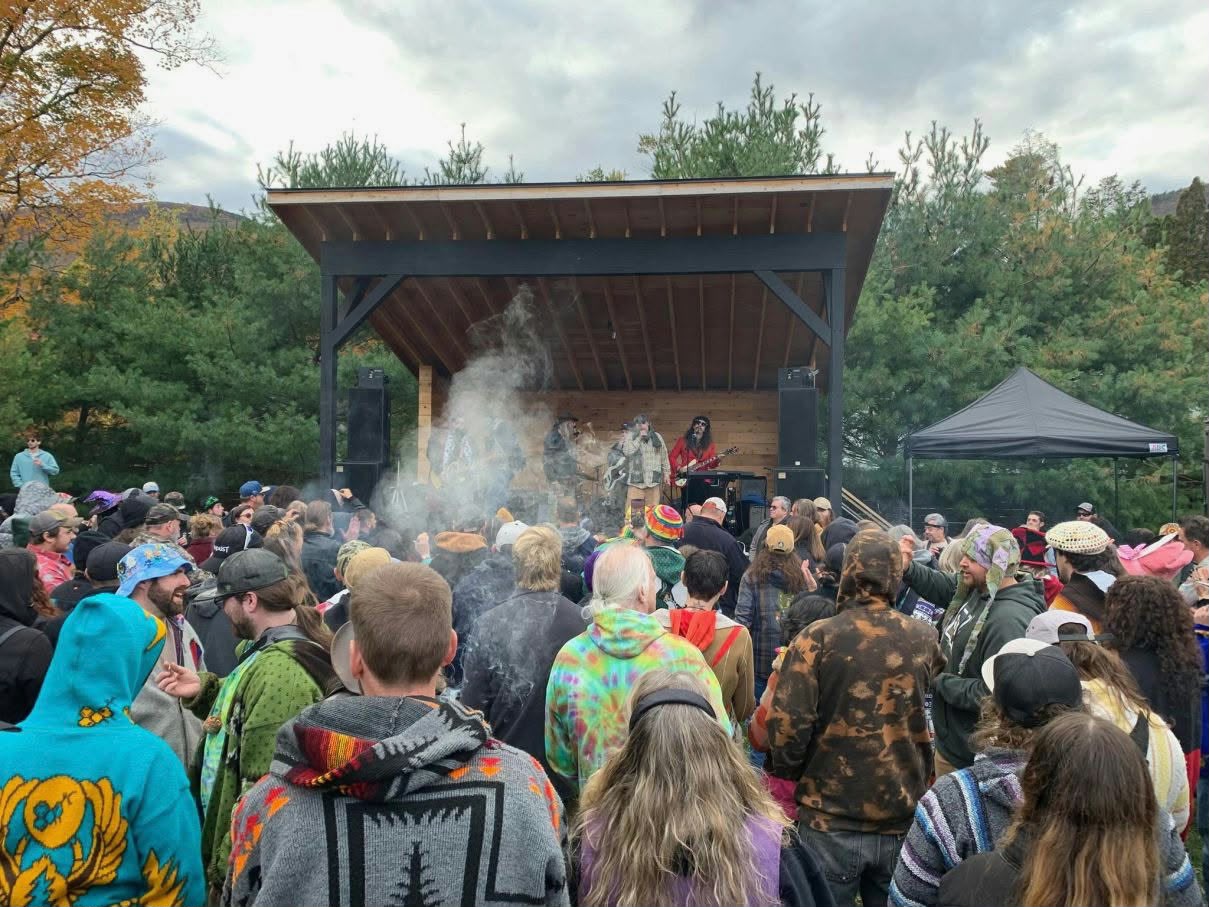
For 30 years, people have been coming together in New York to celebrate cannabis, music, culture, competition, friendship and community.
Thirty.
Years.
That’s not just an anniversary.
That’s a damn legacy. 😂
On Saturday, October 24, 2026, the 30th Annual New York Harvest Fest Cannabis Cup returns to Griffin House in Palenville, New York, bringing a full day and night of cannabis culture, live music, competition, art, community and the kind of experiences that are hard to explain to somebody who has never been there.
The event runs from noon until midnight.
And if you’ve never experienced Harvest Fest before, 2026 might be the year to finally stop hearing about it from everybody else and come see what the hell they’ve been talking about.
Because Harvest Fest isn’t just another cannabis event.
It’s 30 years of history.
Thirty years of people showing up.
Thirty years of growers competing.
Thirty years of friendships being made and old friends reconnecting.
Thirty years of people who might only see each other once a year looking across a festival ground, recognizing a familiar face and saying, “Holy shit! What’s up, brother?!”
That kind of community doesn’t happen overnight.
And it definitely doesn’t happen by accident.
THE CUP IS THE HEART OF HARVEST FEST
One of the biggest things that separates Harvest Fest from your average festival is the competition itself.
According to Harvest Fest organizer Rob Robinson, the Cannabis Cup remains the main theme of the event — and it carries a pretty damn impressive distinction.
It is billed as the longest-running cannabis competition in the United States.
And there’s something pretty wild about the way it works:
Anyone can enter. Everyone is a judge.
Think about that for a second.
How many people can honestly say they dreamed about becoming a cannabis Cup judge and then actually got the opportunity to do it?
At Harvest Fest, you’re not just standing around watching somebody else compete.
You can become part of the competition.
That spirit of participation has helped keep the Cup at the center of Harvest Fest for decades, and it’s one of the reasons people keep coming back.
The competition is only part of the story, though.
Because if you ask the people who have been attending Harvest Fest year after year why they return, you’re going to hear another word over and over again:
Community.
THE PEOPLE ARE THE REASON PEOPLE RETURN
There are festivals you attend once.
Then there are festivals that become traditions.
Harvest Fest has become a tradition for generations of people.
And I can personally tell you that the community aspect isn’t just something that sounds good in a promotional article — I’ve experienced it myself.
The first time I went to Harvest Fest, I barely knew anybody.
I showed up, walked around, talked to people, checked out what everyone was doing and started making connections.
By the time I left, I had dozens of new contacts and new people in the cannabis community to network with, hang out with, share a smoke with, do business with, learn from and simply get to know.
That’s one of the things that surprised me most about the experience.
You can walk into Harvest Fest not knowing many people and walk out with an entirely different network.
And now, after only being involved in this community for a few years, I have a feeling this year is going to be a completely different experience for me.
Because of what I do — covering cannabis news, promotions, events and the people involved in this industry — I’m constantly talking to people throughout the community.
So when I walk into Harvest Fest this year, I wouldn’t be surprised if I already know half the damn crowd. 😂
And that, right there, tells you something about what Harvest Fest can do.
It brings people together.
Rob Robinson says the camaraderie is one of the biggest reasons people keep coming back — especially because Harvest Fest gives people the chance to see friends they may only see once a year.
That’s something you can’t put in a vendor booth.
You can’t package it.
You can’t put a price tag on it.
It’s the people.
It’s the conversations.
It’s the handshakes.
It’s the old friends.
It’s the new friends.
It’s meeting somebody for the first time and somehow feeling like you’ve known them for years.
And for 30 years, that sense of community has been one of the defining characteristics of Harvest Fest.
As Rob put it, the message he wants people to remember is simple:
Community.
Come be a part of it.
AND THEN THERE’S THE MUSIC…
If cannabis competition and community aren’t enough to get you interested, maybe some damn good live music will do the trick.
Harvest Fest 2026 features two headliners from the Grateful Dead musical family: Sam Grisman Project and the return of Skeleton Crewe.
Skeleton Crewe made its East Coast debut at Harvest Fest last year, and the all-star lineup is returning for the 30th anniversary celebration.
The group features veteran musicians including Rob Barraco, Barry Sless, Stephen Inglis, Pete Sears and Jay Lane — musicians whose résumés include connections to some of the most respected names and bands in the improvisational, psychedelic and jam-band world.
Then there’s the Sam Grisman Project, led by bassist and bandleader Sam Grisman.
Grisman grew up surrounded by legendary acoustic music through his father, mandolinist and composer David Grisman, whose circle of musical friends included icons such as Jerry Garcia, Doc Watson, John Hartford, Mike Seeger and Tony Rice.
The Sam Grisman Project carries that musical tradition forward through an ever-evolving collective of exceptional musicians.
So yeah…
This isn’t exactly background music while you walk around looking for the porta-potty. 😂
And I’m not just saying that because I’m writing a promotional article.
I’ve personally heard both of these acts perform before, and they are the real deal.
We’re talking top-shelf musicianship.
These aren’t some bands being thrown on stage to kill time between the important acts.
These are serious headlining musicians, and if you appreciate live music, you’re getting an opportunity to hear some extremely talented people doing what they do best.
I’ve even captured some of the music from previous Harvest Fest experiences in my own videos, and you can hear for yourself just how incredible the atmosphere can be.
Rob is absolutely right about one thing:
The music isn’t just background music.
The music is part of the attraction.
Honestly, if everything else at Harvest Fest disappeared and all you had left was the music, it would still be worth showing up for.
Fortunately, everything else isn’t disappearing. 😂
THE EDIBLE CUP IS GROWING TOO
Harvest Fest isn’t only about the traditional Cup.
The Golden Rolling Pin Edible Cup, hosted by Julie Gadapee, has developed its own following, with people looking forward to competing and judging.
Once again, Harvest Fest gives people an opportunity to participate rather than simply stand around watching everyone else have the fun.
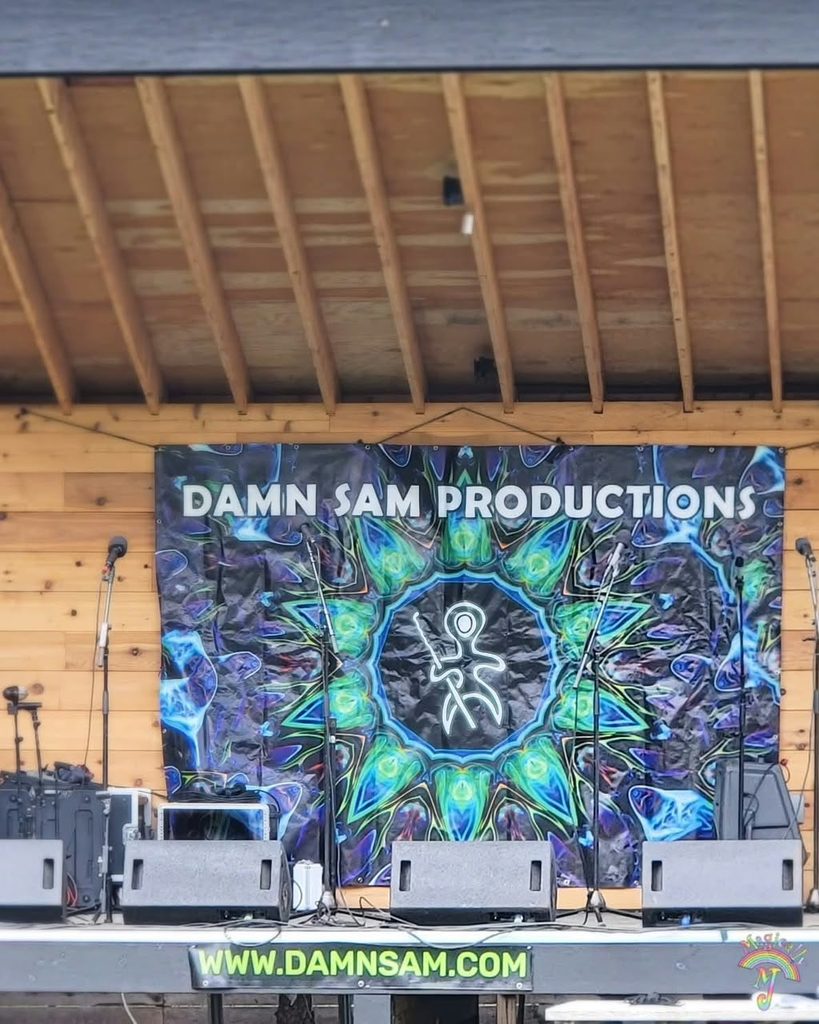
And apparently people really like judging cannabis competitions.
I mean, who wouldn’t?
It’s basically the adult version of being handed the remote control and told, “You decide what we’re watching.” 😂
25+ BOOTHS, ART, CULTURE AND MORE
While this article isn’t about turning Harvest Fest into a shopping list, there will be more than 25 vendors and booths, featuring art, culture and more.
Rob specifically highlighted the Damn Sam booth and presenting sponsor Higher Beings, along with major sponsors Golden Road Seeds and Plant IQ.
But the bigger picture is what matters.
Harvest Fest brings together far more than cannabis.
It brings together music, art, culture, competition and people from different corners of the cannabis community.
And from my own experience, walking around Harvest Fest and checking out all the different booths is a huge part of the fun.
You never know what you’re going to find.
You might discover something you’ve never seen before.
You might meet a grower whose work you’ve been hearing about.
You might find something that becomes your new favorite.
Or you might simply end up standing at a booth talking cannabis with somebody for 20 minutes when you originally intended to spend two minutes there. 😂
That’s part of the experience.
THE LOCATION IS PART OF THE EXPERIENCE
Harvest Fest takes place at Griffin House in Palenville, New York, and the location itself adds to the atmosphere.
It’s a beautiful setting for an event like this, and when you combine the surroundings with the music, the people, the competition, the art, the booths and the overall energy of Harvest Fest, it becomes much more than simply showing up somewhere to attend a cannabis event.
It becomes an experience.
And that’s probably the best way I can describe Harvest Fest from my own perspective.
It’s an experience.
THIRTY YEARS DOESN’T HAPPEN BY ACCIDENT
Here’s the part that really deserves to sink in.
Thirty years.
Think about where cannabis culture was 30 years ago.
Think about where the country was.
Think about how different the conversation surrounding cannabis was compared with today.
Harvest Fest has survived decades of change.
It has moved through different eras, different locations, different cultural climates and an entirely different cannabis landscape.
And it’s still here.
Still bringing people together.
Still holding a Cannabis Cup.
Still creating a place where growers can compete, musicians can perform, artists can create, old friends can reconnect and new people can become part of the community.
That kind of longevity is rare.
Very rare.
And that’s exactly why the 30th anniversary deserves attention.
This isn’t just another year on the calendar.
It’s a milestone.
SO… WHAT ARE YOU WAITING FOR?
If you’ve never been to Harvest Fest, this is the part where I’m supposed to give you some sophisticated magazine-style reason why you should attend.
Instead, I’m going to put it in OG Strain language:
COME SEE WHAT THE HELL EVERYBODY KEEPS TALKING ABOUT. 😂
Come for the Cup.
Come for the music.
Come for the art.
Come for the culture.
Come because you want to experience a piece of New York cannabis history.
Come because you’ve always wanted to judge a Cannabis Cup.
Come because you want to meet people who are just as passionate about cannabis culture as you are.
Come because you want to walk around, meet growers, check out the booths, hear some incredible music and see what kind of connections you can make.
Or hell…
Come because you’re tired of seeing pictures from Harvest Fest every year and thinking, “Damn, I should’ve gone.”
This year, go.
Bring your friends.
Meet some new ones.
Shake some hands.
Listen to some music.
Experience the competition.
Explore the festival.
And become part of the community that has kept this gathering alive for three decades.
Because I can tell you from personal experience: you might arrive barely knowing anybody, and you might leave with dozens of new contacts, new friends and new people you’re looking forward to seeing again.
That’s what happened to me.
And now that I’ve been part of this community for a few years, I’m looking forward to walking through those gates this year and seeing just how many familiar faces I’ve picked up along the way.
That’s the magic of community.
That’s the legacy of Harvest Fest.
And that’s what 30 years looks like.
The Grateful Dead famously sang about “strangers stopping strangers just to shake their hands.”
That idea feels pretty damn appropriate here.
Because at Harvest Fest, you might arrive not knowing anybody…
…and leave knowing people you’ll be looking forward to seeing again next year.
And if you’re a cannabis enthusiast, connoisseur, grower, creator, musician, artist, industry professional — or simply somebody who enjoys cannabis and wants to experience a real cannabis festival for yourself — I’d say this is one you should experience at least once.
Because once you experience the people, the music, the competition, the food, the atmosphere and everything else that comes with Harvest Fest, you might understand why people keep coming back.
And if you ask me?
I’ve already got my OG Strain stamp of approval on it.
The 30th Annual New York Harvest Fest Cannabis Cup.
Saturday, October 24, 2026.
Noon to midnight.
Griffin House — Palenville, New York.
Thirty years strong.
The roots run deep.
The community keeps growing.
And the story is still being written.
Come be a part of it.
Link:
https://theticketing.co/e/30thharvestfest
https://suno.com/s/HbjoDunPstxTphMX
By OG Strain, The Plug’s Pages Magazine
There’s something people don’t talk about enough when it comes to recovery.
Everybody cheers for you when you’re talking about wanting to get better.
They clap when you say you’re trying.
They support the idea of your success.
But when that success actually starts showing — when people can physically see the difference in your life — that’s when you find out who’s really rooting for you.
I realized that this morning.
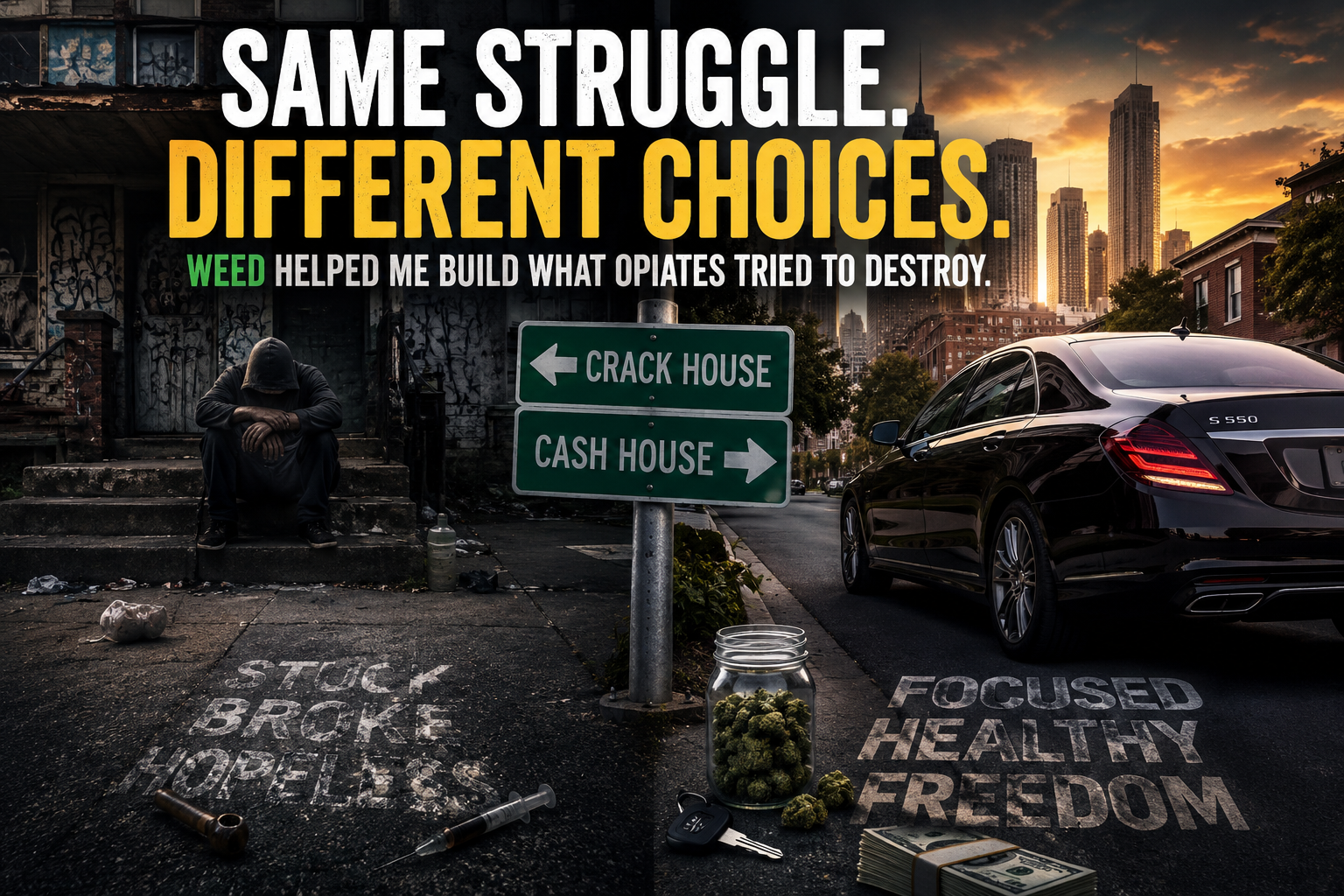
For years, I’ve been on a mission to build myself back up after opioid addiction. Cannabis played a major role in helping me step away from deadly opiates and reclaim control of my life. It gave me a path forward when the road behind me was leading nowhere good.
That journey wasn’t easy.
There was a time when I couldn’t even drive. I was deep in active addiction, unhealthy, broken down, and far from the version of myself I am today.
Fast forward to now.
I’m green and sober. I paid cash for my vehicle through my own hard work and discipline. My health is better. I look better. I feel better. My pockets aren’t empty. My mind is clear.
Most importantly, I’m giving back.
I volunteer at a local rehab, sharing my story with people who are still fighting the battle I once fought myself. I show up because I know what it feels like to think there’s no way out. If my story can help one person believe change is possible, then it’s worth every minute.
But success has a strange way of exposing people.
Some people see your progress and feel inspired.
Others see your progress and feel threatened.
This morning, I got a call around 6:30 AM from a guy at the rehab who had worked himself into some jealous fantasy in his own head.
His issue?
He had convinced himself that because I was encouraging his girlfriend in her sobriety journey, there had to be something more to it.
There wasn’t.
I’ve never wanted anything from her beyond seeing another human being get free from addiction.
That’s it.
But insecurity doesn’t run on logic.
He threatened to fight me and told me to meet him.
So I got up, grabbed my keys, and went.
Not because I was looking for drama, but because if somebody is bold enough to throw threats around before the sun is fully up, they should be ready to stand on what they said.
I got there around 7 AM.
Called him.
Told him I was there.
He said he wouldn’t arrive until 8:30.
Fine.
I grabbed a coffee and waited in the parking lot across from the rehab.
When he finally showed up, he had his medical cab pull right up against the entrance so he could hop out and run straight inside the building without ever facing the situation he created.
The same guy who was talking tough hours earlier suddenly couldn’t back it up.
And honestly, that told me everything I needed to know.
This wasn’t about me.
It was never about me.
It was about what my life represents to someone still trapped in chaos.
When people are stuck in destructive cycles, seeing somebody rise out of one can hit them hard.
Your progress becomes a mirror.
And not everybody likes what they see reflected back.
That’s one of the biggest lessons I’ve learned in recovery:
Growth will inspire some people.
It will expose others.
Cannabis didn’t magically hand me a better life.
Let’s be clear about that.
It gave me a tool.
A bridge.
A healthier alternative that helped me move away from opiates and toward clarity.
The better life came from what I chose to do with that second chance.
Discipline.
Consistency.
Humility.
Work.
That’s the real formula.
So if your growth makes certain people uncomfortable, keep growing.
If your success triggers jealousy, keep succeeding.
And if somebody gets bitter watching your life improve, that says more about where they’re at than where you’re going.
Keep elevating.
That’s exactly what OG Strain plans to do.
Music link: https://suno.com/s/MeC0GEh5tqbQGxhK


I DON’T WANT TO WASTE ANOTHER DAY: WHY I’M BUILDING MY LEGACY IN THE 518 CANNABIS COMMUNITY

THE BLACK MARKET GAMBLE: Can Playing by Some of the Rules Keep New York Cannabis Businesses Safe?

GOOD BURGER OR BAD TASTE? THE MOST CONTROVERSIAL STRAIN OF 2026 HAS SMOKERS DIVIDED!

She Didn’t Tiptoe In — OG Granny Blew the Door Off the Internet 💥🌿

Tokalotapot & Cannafae: The Couple That Made Weed Legal (Not Really, But It Feels Like It)

“Damn Sam”, The Man Who Kept the 518 Lit (and Safe) Before It Was Legal to Say “Lit”
-
 Cannabis Hall Of Fame10 months ago
She Didn’t Tiptoe In — OG Granny Blew the Door Off the Internet 💥🌿
-
 Cannabis Hall Of Fame1 year ago
Tokalotapot & Cannafae: The Couple That Made Weed Legal (Not Really, But It Feels Like It)
-
 Cannabis Hall Of Fame8 months ago
“Damn Sam”, The Man Who Kept the 518 Lit (and Safe) Before It Was Legal to Say “Lit”
-

 Cannabis Hall Of Fame1 year ago
Dope as Yola: From the Bottom to Cannabis Hall of Fame
-

 Community9 months ago
Empire State Cannabis Cup: An OG Strain Community Walkthrough
-

 Community1 year ago
🔥 HARVEST HYSTERIA: WHERE THE BUD AT, NEW YORK?!
-

 Community12 months ago
From Soil, Struggle, and Soul: Hudson Valley Green Wins Big at the Palenville Cannabis Cup”
-

 Community2 months ago
STONER MAMA NICOLE Breaking Stigma, One Laugh at a Time