Lifestyle
THE REAL OFFENSE IS THE OVERREACTION — NOT THE AROMA


By Seymour Buds | The Plug’s Pages Magazine
Let’s be honest — the stigma around cannabis odor is one of the most exaggerated double standards in modern society.
We live in a world where the smell of exhaust, cigarettes, alcohol breath, and even nail polish remover can fill a room without anyone blinking twice. Yet, the moment someone who uses cannabis for legitimate medical or therapeutic reasons walks in after medicating — suddenly the atmosphere turns judgmental.
You know the scene: you just stepped outside, took your medicine in peace, and as soon as you come back inside, someone scrunches up their face. “Ugh, you smell like weed!” They act like it’s some kind of moral crime — or worse, they announce it loudly in front of others, sometimes even in front of children.
⸻
The Smell of Medicine, Not Misbehavior
Here’s the truth that gets buried under the noise: cannabis is medicine for millions of people. Whether it’s helping with pain, anxiety, PTSD, or other conditions, medicating with cannabis is no different than someone using an inhaler, insulin, or prescription pills. The difference? Cannabis carries a distinct aroma that lingers. But that smell doesn’t make it a crime scene — it’s simply part of the plant’s natural chemistry.
Terpenes — the compounds responsible for that unmistakable scent — are also found in lavender, citrus, pine, and countless other plants. No one scolds someone for smelling like a forest after a hike, but if it’s cannabis, people suddenly act offended.
⸻
The Real Message We’re Sending to Kids
Ironically, the people who loudly complain about the smell in front of children often end up being the ones setting the worst example. A calm explanation — “That’s medicine for grown-ups who need it to feel better” — teaches understanding, respect, and boundaries.
But making a big scene, shaming someone, or calling it “drugs” in front of a child? That only spreads ignorance and stigma. It confuses kids and reinforces the idea that cannabis users are doing something wrong, when in fact, they’re often just managing their health responsibly.
Let’s be clear: secondhand smoke is one thing, smell is another. If someone medicates outside, away from others, and returns after washing up or before contact with kids, there’s no harm. The scent alone cannot get anyone high. So, why are we still treating it like a toxic gas leak?
⸻
The Hypocrisy of “Acceptable Smells”
Ask yourself this — why do we tolerate the lingering stench of cigarettes, but act disgusted by cannabis? Tobacco smoke stains walls, yellows teeth, and poisons lungs. Cannabis smoke doesn’t do any of that. In fact, even people who don’t use cannabis often admit they enjoy the smell.
Fred Durst of Limp Bizkit famously said, “I don’t smoke weed, but I love the way it smells.” And he’s not alone. The natural, earthy, sometimes fruity aroma of cannabis is appreciated by plenty of non-smokers — because it’s a plant, not a chemical cocktail.
⸻
Respect Goes Both Ways
At the end of the day, this isn’t about forcing anyone to like the smell of cannabis. It’s about mutual respect. Those who medicate should be mindful of where they do it — but those around them should also understand what it represents: healing, not harm.
The cannabis community has fought long and hard for legitimacy, recognition, and acceptance. It’s time for society to catch up. The smell of weed isn’t the problem — the overreaction is.
So next time someone walks in from outside smelling a little herbal, maybe skip the lecture and remember: they’re not high in front of you — they’re just living their life, medicated and minding their business.
⸻
Seymour Buds writes for The Plug’s Pages Magazine, where cannabis culture meets credibility. His work explores the intersection of cannabis, social perception, and real-life experience — always with a puff of humor and a cloud of truth.





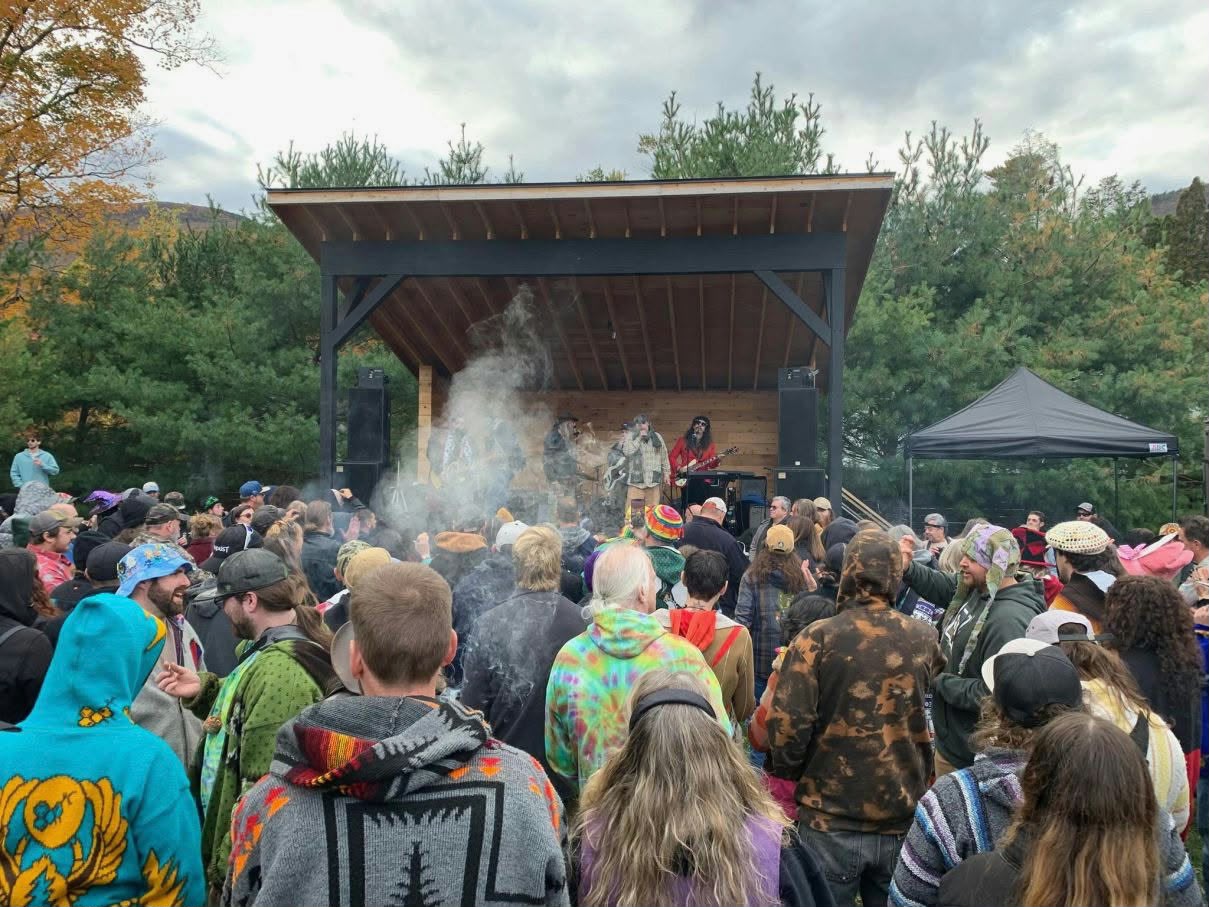
For 30 years, people have been coming together in New York to celebrate cannabis, music, culture, competition, friendship and community.
Thirty.
Years.
That’s not just an anniversary.
That’s a damn legacy. 😂
On Saturday, October 24, 2026, the 30th Annual New York Harvest Fest Cannabis Cup returns to Griffin House in Palenville, New York, bringing a full day and night of cannabis culture, live music, competition, art, community and the kind of experiences that are hard to explain to somebody who has never been there.
The event runs from noon until midnight.
And if you’ve never experienced Harvest Fest before, 2026 might be the year to finally stop hearing about it from everybody else and come see what the hell they’ve been talking about.
Because Harvest Fest isn’t just another cannabis event.
It’s 30 years of history.
Thirty years of people showing up.
Thirty years of growers competing.
Thirty years of friendships being made and old friends reconnecting.
Thirty years of people who might only see each other once a year looking across a festival ground, recognizing a familiar face and saying, “Holy shit! What’s up, brother?!”
That kind of community doesn’t happen overnight.
And it definitely doesn’t happen by accident.
THE CUP IS THE HEART OF HARVEST FEST
One of the biggest things that separates Harvest Fest from your average festival is the competition itself.
According to Harvest Fest organizer Rob Robinson, the Cannabis Cup remains the main theme of the event — and it carries a pretty damn impressive distinction.
It is billed as the longest-running cannabis competition in the United States.
And there’s something pretty wild about the way it works:
Anyone can enter. Everyone is a judge.
Think about that for a second.
How many people can honestly say they dreamed about becoming a cannabis Cup judge and then actually got the opportunity to do it?
At Harvest Fest, you’re not just standing around watching somebody else compete.
You can become part of the competition.
That spirit of participation has helped keep the Cup at the center of Harvest Fest for decades, and it’s one of the reasons people keep coming back.
The competition is only part of the story, though.
Because if you ask the people who have been attending Harvest Fest year after year why they return, you’re going to hear another word over and over again:
Community.
THE PEOPLE ARE THE REASON PEOPLE RETURN
There are festivals you attend once.
Then there are festivals that become traditions.
Harvest Fest has become a tradition for generations of people.
And I can personally tell you that the community aspect isn’t just something that sounds good in a promotional article — I’ve experienced it myself.
The first time I went to Harvest Fest, I barely knew anybody.
I showed up, walked around, talked to people, checked out what everyone was doing and started making connections.
By the time I left, I had dozens of new contacts and new people in the cannabis community to network with, hang out with, share a smoke with, do business with, learn from and simply get to know.
That’s one of the things that surprised me most about the experience.
You can walk into Harvest Fest not knowing many people and walk out with an entirely different network.
And now, after only being involved in this community for a few years, I have a feeling this year is going to be a completely different experience for me.
Because of what I do — covering cannabis news, promotions, events and the people involved in this industry — I’m constantly talking to people throughout the community.
So when I walk into Harvest Fest this year, I wouldn’t be surprised if I already know half the damn crowd. 😂
And that, right there, tells you something about what Harvest Fest can do.
It brings people together.
Rob Robinson says the camaraderie is one of the biggest reasons people keep coming back — especially because Harvest Fest gives people the chance to see friends they may only see once a year.
That’s something you can’t put in a vendor booth.
You can’t package it.
You can’t put a price tag on it.
It’s the people.
It’s the conversations.
It’s the handshakes.
It’s the old friends.
It’s the new friends.
It’s meeting somebody for the first time and somehow feeling like you’ve known them for years.
And for 30 years, that sense of community has been one of the defining characteristics of Harvest Fest.
As Rob put it, the message he wants people to remember is simple:
Community.
Come be a part of it.
AND THEN THERE’S THE MUSIC…
If cannabis competition and community aren’t enough to get you interested, maybe some damn good live music will do the trick.
Harvest Fest 2026 features two headliners from the Grateful Dead musical family: Sam Grisman Project and the return of Skeleton Crewe.
Skeleton Crewe made its East Coast debut at Harvest Fest last year, and the all-star lineup is returning for the 30th anniversary celebration.
The group features veteran musicians including Rob Barraco, Barry Sless, Stephen Inglis, Pete Sears and Jay Lane — musicians whose résumés include connections to some of the most respected names and bands in the improvisational, psychedelic and jam-band world.
Then there’s the Sam Grisman Project, led by bassist and bandleader Sam Grisman.
Grisman grew up surrounded by legendary acoustic music through his father, mandolinist and composer David Grisman, whose circle of musical friends included icons such as Jerry Garcia, Doc Watson, John Hartford, Mike Seeger and Tony Rice.
The Sam Grisman Project carries that musical tradition forward through an ever-evolving collective of exceptional musicians.
So yeah…
This isn’t exactly background music while you walk around looking for the porta-potty. 😂
And I’m not just saying that because I’m writing a promotional article.
I’ve personally heard both of these acts perform before, and they are the real deal.
We’re talking top-shelf musicianship.
These aren’t some bands being thrown on stage to kill time between the important acts.
These are serious headlining musicians, and if you appreciate live music, you’re getting an opportunity to hear some extremely talented people doing what they do best.
I’ve even captured some of the music from previous Harvest Fest experiences in my own videos, and you can hear for yourself just how incredible the atmosphere can be.
Rob is absolutely right about one thing:
The music isn’t just background music.
The music is part of the attraction.
Honestly, if everything else at Harvest Fest disappeared and all you had left was the music, it would still be worth showing up for.
Fortunately, everything else isn’t disappearing. 😂
THE EDIBLE CUP IS GROWING TOO
Harvest Fest isn’t only about the traditional Cup.
The Golden Rolling Pin Edible Cup, hosted by Julie Gadapee, has developed its own following, with people looking forward to competing and judging.
Once again, Harvest Fest gives people an opportunity to participate rather than simply stand around watching everyone else have the fun.
And apparently people really like judging cannabis competitions.
I mean, who wouldn’t?
It’s basically the adult version of being handed the remote control and told, “You decide what we’re watching.” 😂
25+ BOOTHS, ART, CULTURE AND MORE
While this article isn’t about turning Harvest Fest into a shopping list, there will be more than 25 vendors and booths, featuring art, culture and more.
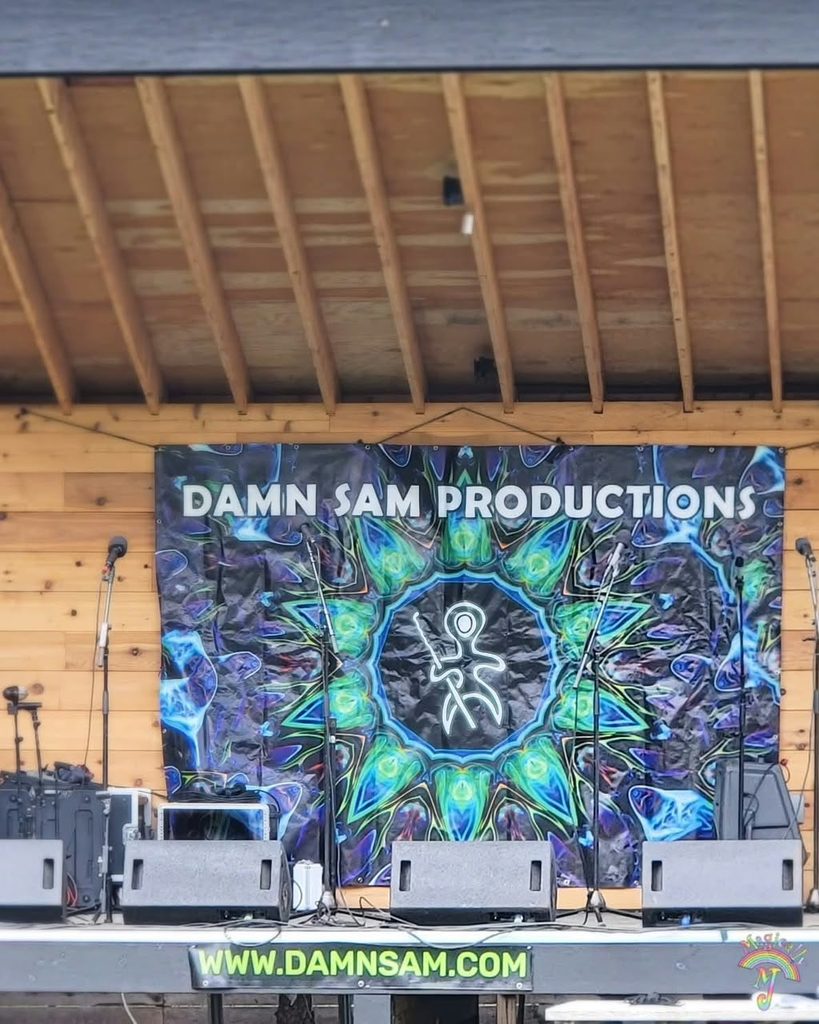
Rob specifically highlighted the Damn Sam booth and presenting sponsor Higher Beings, along with major sponsors Golden Road Seeds and Plant IQ.
But the bigger picture is what matters.
Harvest Fest brings together far more than cannabis.
It brings together music, art, culture, competition and people from different corners of the cannabis community.
And from my own experience, walking around Harvest Fest and checking out all the different booths is a huge part of the fun.
You never know what you’re going to find.
You might discover something you’ve never seen before.
You might meet a grower whose work you’ve been hearing about.
You might find something that becomes your new favorite.
Or you might simply end up standing at a booth talking cannabis with somebody for 20 minutes when you originally intended to spend two minutes there. 😂
That’s part of the experience.
THE LOCATION IS PART OF THE EXPERIENCE
Harvest Fest takes place at Griffin House in Palenville, New York, and the location itself adds to the atmosphere.
It’s a beautiful setting for an event like this, and when you combine the surroundings with the music, the people, the competition, the art, the booths and the overall energy of Harvest Fest, it becomes much more than simply showing up somewhere to attend a cannabis event.
It becomes an experience.
And that’s probably the best way I can describe Harvest Fest from my own perspective.
It’s an experience.
THIRTY YEARS DOESN’T HAPPEN BY ACCIDENT
Here’s the part that really deserves to sink in.
Thirty years.
Think about where cannabis culture was 30 years ago.
Think about where the country was.
Think about how different the conversation surrounding cannabis was compared with today.
Harvest Fest has survived decades of change.
It has moved through different eras, different locations, different cultural climates and an entirely different cannabis landscape.
And it’s still here.
Still bringing people together.
Still holding a Cannabis Cup.
Still creating a place where growers can compete, musicians can perform, artists can create, old friends can reconnect and new people can become part of the community.
That kind of longevity is rare.
Very rare.
And that’s exactly why the 30th anniversary deserves attention.
This isn’t just another year on the calendar.
It’s a milestone.
SO… WHAT ARE YOU WAITING FOR?
If you’ve never been to Harvest Fest, this is the part where I’m supposed to give you some sophisticated magazine-style reason why you should attend.
Instead, I’m going to put it in OG Strain language:
COME SEE WHAT THE HELL EVERYBODY KEEPS TALKING ABOUT. 😂
Come for the Cup.
Come for the music.
Come for the art.
Come for the culture.
Come because you want to experience a piece of New York cannabis history.
Come because you’ve always wanted to judge a Cannabis Cup.
Come because you want to meet people who are just as passionate about cannabis culture as you are.
Come because you want to walk around, meet growers, check out the booths, hear some incredible music and see what kind of connections you can make.
Or hell…
Come because you’re tired of seeing pictures from Harvest Fest every year and thinking, “Damn, I should’ve gone.”
This year, go.
Bring your friends.
Meet some new ones.
Shake some hands.
Listen to some music.
Experience the competition.
Explore the festival.
And become part of the community that has kept this gathering alive for three decades.
Because I can tell you from personal experience: you might arrive barely knowing anybody, and you might leave with dozens of new contacts, new friends and new people you’re looking forward to seeing again.
That’s what happened to me.
And now that I’ve been part of this community for a few years, I’m looking forward to walking through those gates this year and seeing just how many familiar faces I’ve picked up along the way.
That’s the magic of community.
That’s the legacy of Harvest Fest.
And that’s what 30 years looks like.
The Grateful Dead famously sang about “strangers stopping strangers just to shake their hands.”
That idea feels pretty damn appropriate here.
Because at Harvest Fest, you might arrive not knowing anybody…
…and leave knowing people you’ll be looking forward to seeing again next year.
And if you’re a cannabis enthusiast, connoisseur, grower, creator, musician, artist, industry professional — or simply somebody who enjoys cannabis and wants to experience a real cannabis festival for yourself — I’d say this is one you should experience at least once.
Because once you experience the people, the music, the competition, the food, the atmosphere and everything else that comes with Harvest Fest, you might understand why people keep coming back.
And if you ask me?
I’ve already got my OG Strain stamp of approval on it.
The 30th Annual New York Harvest Fest Cannabis Cup.
Saturday, October 24, 2026.
Noon to midnight.
Griffin House — Palenville, New York.
Thirty years strong.
The roots run deep.
The community keeps growing.
And the story is still being written.
Come be a part of it.
Link:
https://theticketing.co/e/30thharvestfest
https://suno.com/s/HbjoDunPstxTphMX
By OG Strain, The Plug’s Pages Magazine
There’s something people don’t talk about enough when it comes to recovery.
Everybody cheers for you when you’re talking about wanting to get better.
They clap when you say you’re trying.
They support the idea of your success.
But when that success actually starts showing — when people can physically see the difference in your life — that’s when you find out who’s really rooting for you.
I realized that this morning.
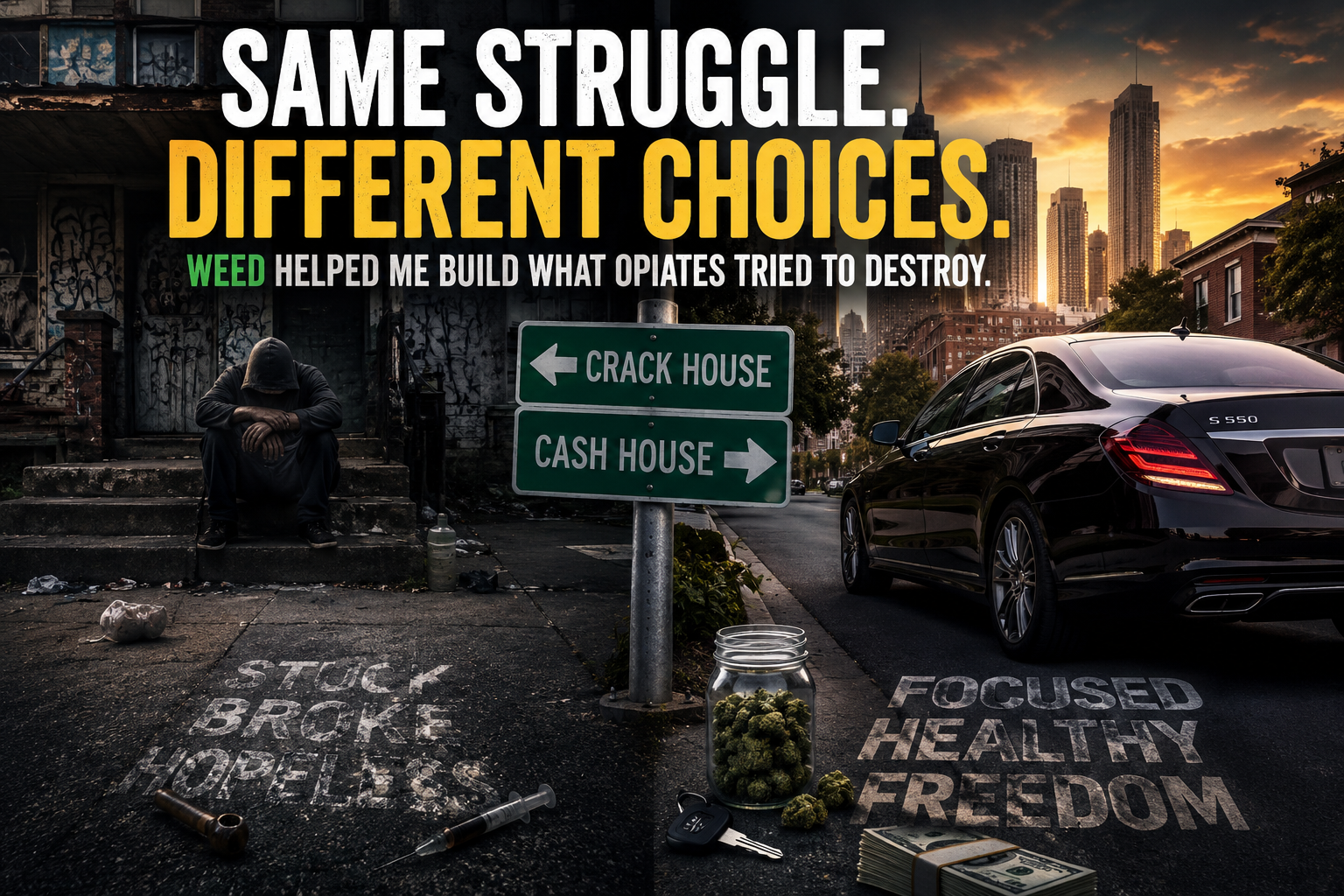
For years, I’ve been on a mission to build myself back up after opioid addiction. Cannabis played a major role in helping me step away from deadly opiates and reclaim control of my life. It gave me a path forward when the road behind me was leading nowhere good.
That journey wasn’t easy.
There was a time when I couldn’t even drive. I was deep in active addiction, unhealthy, broken down, and far from the version of myself I am today.
Fast forward to now.
I’m green and sober. I paid cash for my vehicle through my own hard work and discipline. My health is better. I look better. I feel better. My pockets aren’t empty. My mind is clear.
Most importantly, I’m giving back.
I volunteer at a local rehab, sharing my story with people who are still fighting the battle I once fought myself. I show up because I know what it feels like to think there’s no way out. If my story can help one person believe change is possible, then it’s worth every minute.
But success has a strange way of exposing people.
Some people see your progress and feel inspired.
Others see your progress and feel threatened.
This morning, I got a call around 6:30 AM from a guy at the rehab who had worked himself into some jealous fantasy in his own head.
His issue?
He had convinced himself that because I was encouraging his girlfriend in her sobriety journey, there had to be something more to it.
There wasn’t.
I’ve never wanted anything from her beyond seeing another human being get free from addiction.
That’s it.
But insecurity doesn’t run on logic.
He threatened to fight me and told me to meet him.
So I got up, grabbed my keys, and went.
Not because I was looking for drama, but because if somebody is bold enough to throw threats around before the sun is fully up, they should be ready to stand on what they said.
I got there around 7 AM.
Called him.
Told him I was there.
He said he wouldn’t arrive until 8:30.
Fine.
I grabbed a coffee and waited in the parking lot across from the rehab.
When he finally showed up, he had his medical cab pull right up against the entrance so he could hop out and run straight inside the building without ever facing the situation he created.
The same guy who was talking tough hours earlier suddenly couldn’t back it up.
And honestly, that told me everything I needed to know.
This wasn’t about me.
It was never about me.
It was about what my life represents to someone still trapped in chaos.
When people are stuck in destructive cycles, seeing somebody rise out of one can hit them hard.
Your progress becomes a mirror.
And not everybody likes what they see reflected back.
That’s one of the biggest lessons I’ve learned in recovery:
Growth will inspire some people.
It will expose others.
Cannabis didn’t magically hand me a better life.
Let’s be clear about that.
It gave me a tool.
A bridge.
A healthier alternative that helped me move away from opiates and toward clarity.
The better life came from what I chose to do with that second chance.
Discipline.
Consistency.
Humility.
Work.
That’s the real formula.
So if your growth makes certain people uncomfortable, keep growing.
If your success triggers jealousy, keep succeeding.
And if somebody gets bitter watching your life improve, that says more about where they’re at than where you’re going.
Keep elevating.
That’s exactly what OG Strain plans to do.
Music link: https://suno.com/s/MeC0GEh5tqbQGxhK
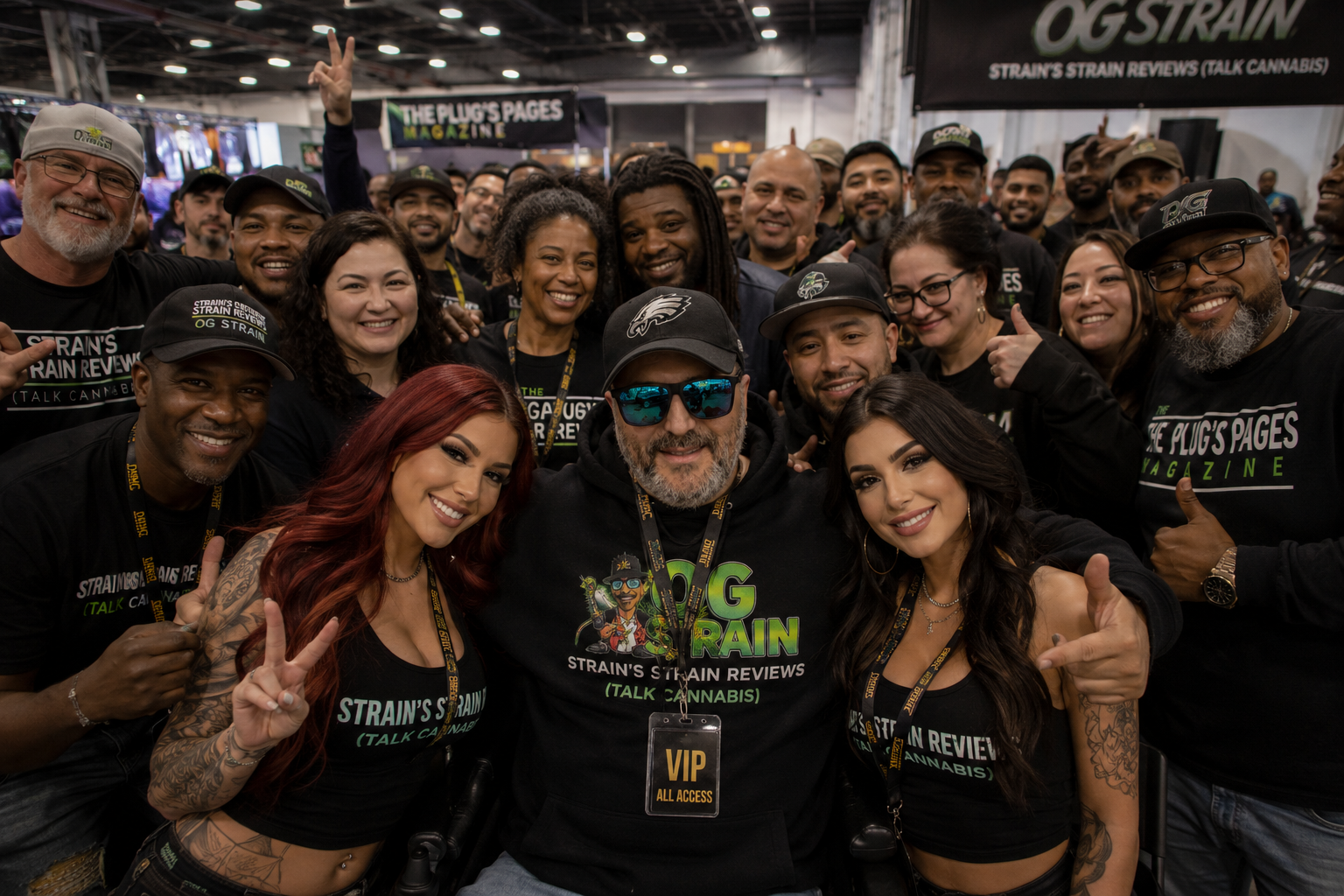
From Hospital Bed to Hemp Headlines: The Story Behind the Reviews
By OG Strain
There was a time when the only strain I was worried about was the kind involved in trying to sit up in a hospital bed without sounding like Rice Krispies.
Snap, crackle, “somebody help me up.”
That’s where this whole journey really started.
A lot of people know me now as OG Strain — the guy cracking jokes, reviewing flower, breaking down terpene profiles like I’ve got a PhD from the University of Puff-Puff-Pass. People see the videos, the articles, the events, the cannabis cups, the festivals, and the movement we’ve built together.
But if you’re new here, if you just tapped into Strain’s Strain Reviews (Talk Cannabis) or started reading my work here in The Plugs Pages, you might not know the real story.
And trust me… this story didn’t start with me standing in some beautiful grow room holding a frosty cola while dramatic music played in the background like a cannabis documentary on Netflix.
Nah.
It started flat on my back.
When New York Went Green, My World Was Red Alert
When cannabis became legal in New York State, I knew immediately that this was it.
This was the moment.
This was the thing I had been waiting for my whole life.
For anybody who really knows me, cannabis has always been part of my world. Long before legalization, long before dispensaries, back when “customer loyalty points” meant your plug answering on the first call.
I knew I wanted in.
I wanted to be part of the culture, part of the movement, part of building something bigger than all of us.
But life had other plans.
Right when New York opened the doors to legal cannabis, I was fighting for my life.
I was dealing with a severe septic blood infection that absolutely wrecked my body. It delayed a hip replacement surgery I had already needed for over a decade. Things got so bad that at one point I was a two-person assist just to get to the bathroom.
Think about that.
While people were celebrating legalization, planning grows, opening businesses, and getting their foot in the door, I was basically starring in my own unwanted reboot of The Walking Dead — except slower and with significantly less cardio.
I spent four months hospitalized.
And even after coming home, recovery was brutal.
For nearly four years, I couldn’t even drive.
Growing? Not happening.
Working in cultivation? Physically impossible.
Budtending? Even that wasn’t realistic.
Sure, my cannabis knowledge and years of experience probably could’ve landed me behind a dispensary counter. But standing all day? Stocking product? Moving around constantly?
My hips would’ve filed a formal complaint.
At that time, there were days I couldn’t even move from one room to another without help.
So there I was.
Cannabis legalization had finally arrived.
And I couldn’t physically participate in any of the traditional ways.
When You Can’t Walk the Path, You Build Your Own
Being sidelined physically didn’t kill the passion.
If anything, it intensified it.
Lying there in bed, I started thinking:
If I can’t grow it…
If I can’t sell it…
If I can’t work events…
How can I still contribute?
Then it hit me.
Review it.
Study it.
Break it down.
Become the voice.
That’s when OG Strain the reviewer was born.
And what started as something to stay connected quickly turned into a full-on obsession.
I dove headfirst into cannabis research, especially terpenes.
Back in my growing days, I understood strains mostly through the old-school lens: indica, sativa, hybrid, and whether it made your friend eat an entire family-sized box of cereal at 2 a.m.
But terpenes?
That opened a whole new world.
I realized something huge:
Not all cannabis is created equal.
That sounds obvious now, but for a lot of people — including me at first — weed was just weed.
Then I learned that terpene profiles completely shape the experience.
One strain can have you cleaning your entire kitchen at 8 a.m. like you’re auditioning for a home renovation show.
Another can have you staring at your microwave clock for 17 minutes wondering why it says “food.”
Some strains stimulate appetite.
Some suppress it.
Some energize.
Some sedate.
Some sharpen focus.
Some make you laugh so hard at absolutely nothing that your ribs file for workers’ comp.
That fascinated me.
I wanted to know everything.
If someone was exhausted, what strain could help?
If appetite was an issue, what worked best?
If somebody wanted daytime relief without couch-lock, what terpene combination delivered?
I studied it like a pharmacist studies medicine.
And before I knew it, I had become a terpene expert.
From Bedside Reviews to Building a Movement
What started as strain reviews from my bed evolved into something bigger.
I began reviewing flower, concentrates, products, dispensaries, brands, and eventually the entire experience surrounding cannabis culture.
As my health slowly improved — especially after finally getting one hip replaced last year — I started getting out more.
And that changed everything.
That surgery gave me part of my life back.
No, I’m not running marathons.
Let’s not get crazy.
If you ever see me training for a 5K, please assume I’ve been replaced by AI.
But I can walk.
I can drive.
I can move.
And that freedom opened doors.
I started attending cannabis cups, festivals, events, pop-ups, and community gatherings.
I showed up.
I recorded.
I interviewed.
I reviewed.
I became part of the culture in person.
Then came another turning point.
After my son was interviewed by The Plugs Pages, I made connections that eventually led to me writing for this magazine.
That opportunity deepened everything.
It gave me another lane to educate, entertain, and represent this community.
And from there?
Things took off.
The Moment It Became Real
I’ll never forget the first time someone approached me at an event and recognized me.
“Yo… you’re OG Strain.”
At first, I thought maybe I owed them money.
Turns out, they were thanking me.
They told me they bought a product because of one of my reviews.
That they trusted my breakdown.
That it turned out exactly how I said it would.
That moment hit different.
Then it kept happening.
Again.
And again.
And again.
People from all over the cannabis community started recognizing me at festivals and events.
Growers.
Consumers.
Vendors.
Supporters.
People who genuinely appreciated the work.
That’s when I knew this wasn’t just content.
This was impact.
And honestly, that acceptance meant more than I can explain.
Because while this community embraced me, some people in my personal life didn’t understand the path I chose.
Some turned their backs.
Some judged.
Some doubted.
But the cannabis community?
Y’all welcomed me like family.
Sometimes even more than family.
That kind of support changes a person.
Why This Means Everything
Today, Strain’s Strain Reviews (Talk Cannabis) continues to grow.
And what makes that growth so special is how real it is.
Every view.
Every subscriber.
Every comment.
Every person who watches, supports, and shares.
It’s organic.
No fake numbers.
No bought views.
No gimmicks.
Just real people from real communities who care about honest cannabis reviews.
That means everything.
Especially because cannabis content creators know the struggle.
Most of my videos get age-restricted.
YouTube definitely isn’t rolling out the red carpet for cannabis creators.
Let’s just say the algorithm treats us like we showed up to a black-tie event wearing a gas mask and holding a bong.
And despite that?
The channel keeps growing.
Videos consistently hit strong view counts fast.
People trust the work.
That trust is earned.
And I never take that lightly.
Thank You for Letting Me Be Part of This
If there’s one thing I want new supporters to understand, it’s this:
I didn’t choose cannabis reviewing because it was the easiest path.
I chose it because it was the path I could take when every other door was physically closed.
And somehow, through pain, setbacks, surgeries, recovery, and rebuilding my life, that path became exactly where I was supposed to be.
This lane?
I carved it myself.
And I love every second of driving in it.
To every dispensary owner, grower, event organizer, vendor, reader, subscriber, supporter, and fellow cannabis enthusiast who has shown love:
Thank you.
Thank you for believing in me.
Thank you for trusting my voice.
Thank you for helping build this movement.
You didn’t just support a reviewer.
You helped give someone purpose when life tried to take it away.
And for that, I’ll always keep showing up, keep reviewing, keep writing, and keep representing this culture with honesty, humor, and heart.
This is bigger than weed.
This is community.
This is family.
And from the bottom of my heart…
Thank you for making OG Strain who he is today.


KEIF: THE ART OF SAVING THE BEST FOR LAST

HUDSON VALLEY GREEN’S COLD CURE ROSIN RANKED: SIX JARS, ONE CHAMPION

30 YEARS, ONE LEGENDARY GATHERING

She Didn’t Tiptoe In — OG Granny Blew the Door Off the Internet 💥🌿

Tokalotapot & Cannafae: The Couple That Made Weed Legal (Not Really, But It Feels Like It)

“Damn Sam”, The Man Who Kept the 518 Lit (and Safe) Before It Was Legal to Say “Lit”
-
 Cannabis Hall Of Fame9 months ago
She Didn’t Tiptoe In — OG Granny Blew the Door Off the Internet 💥🌿
-
 Cannabis Hall Of Fame1 year ago
Tokalotapot & Cannafae: The Couple That Made Weed Legal (Not Really, But It Feels Like It)
-
 Cannabis Hall Of Fame7 months ago
“Damn Sam”, The Man Who Kept the 518 Lit (and Safe) Before It Was Legal to Say “Lit”
-

 Cannabis Hall Of Fame1 year ago
Dope as Yola: From the Bottom to Cannabis Hall of Fame
-

 Community8 months ago
Empire State Cannabis Cup: An OG Strain Community Walkthrough
-

 Community1 year ago
🔥 HARVEST HYSTERIA: WHERE THE BUD AT, NEW YORK?!
-

 Community11 months ago
From Soil, Struggle, and Soul: Hudson Valley Green Wins Big at the Palenville Cannabis Cup”
-

 Humor1 year ago
OG Strain: The 518’s True Connoisseur Bringing Cannabis Reviews and Comedy Gold to YouTube
William adams
October 13, 2025 at 1:28 pm
i gotta say that was the most insightful way of wording this issue i have ever heard. Also gives me a better way to explain to others when this happens to me. Thank you