Lifestyle
Hunting the Diamond: The Search for the Best Bud in the State

By OG Strain
Let me ask you a dangerous question… the kind of question that’ll start arguments, ruin friendships, and have grown men clutching jars like they’re guarding the last slice of pizza at a family party:
Where is the best cannabis flower in the state right now?
Not “pretty good.”
Not “my plug said it’s fire.”
Not “it looks crazy in the picture.”
I’m talking about the one. The top of the top. The cream that doesn’t just rise—it kicks the lid off the jar and introduces itself.
So where is it?
Is it sitting pretty behind glass at a dispensary with a fancy name and a price tag that makes your wallet flinch?
Is it floating around at a pop-up event, getting passed hand to hand like a secret handshake?
Is it hiding on a vendor’s table while everyone’s too busy chasing hype strains with flashy names like “Space Unicorn Gelato Runtz #47”?
Or… is your old plug—yeah, that guy—quietly holding out on you like he’s got state secrets in a mason jar?
Here’s the truth:
I don’t know where it is. Yet.
And that’s exactly what makes this hunt so dangerous.
Because I’ve found fire everywhere.
Dispensaries? Fire.
Pop-up events? Fire.
Vendors? Fire.
Private connects? Oh yeah… definitely fire.
But the best?
Nah. Not yet.
⸻
Now let me paint you a picture.
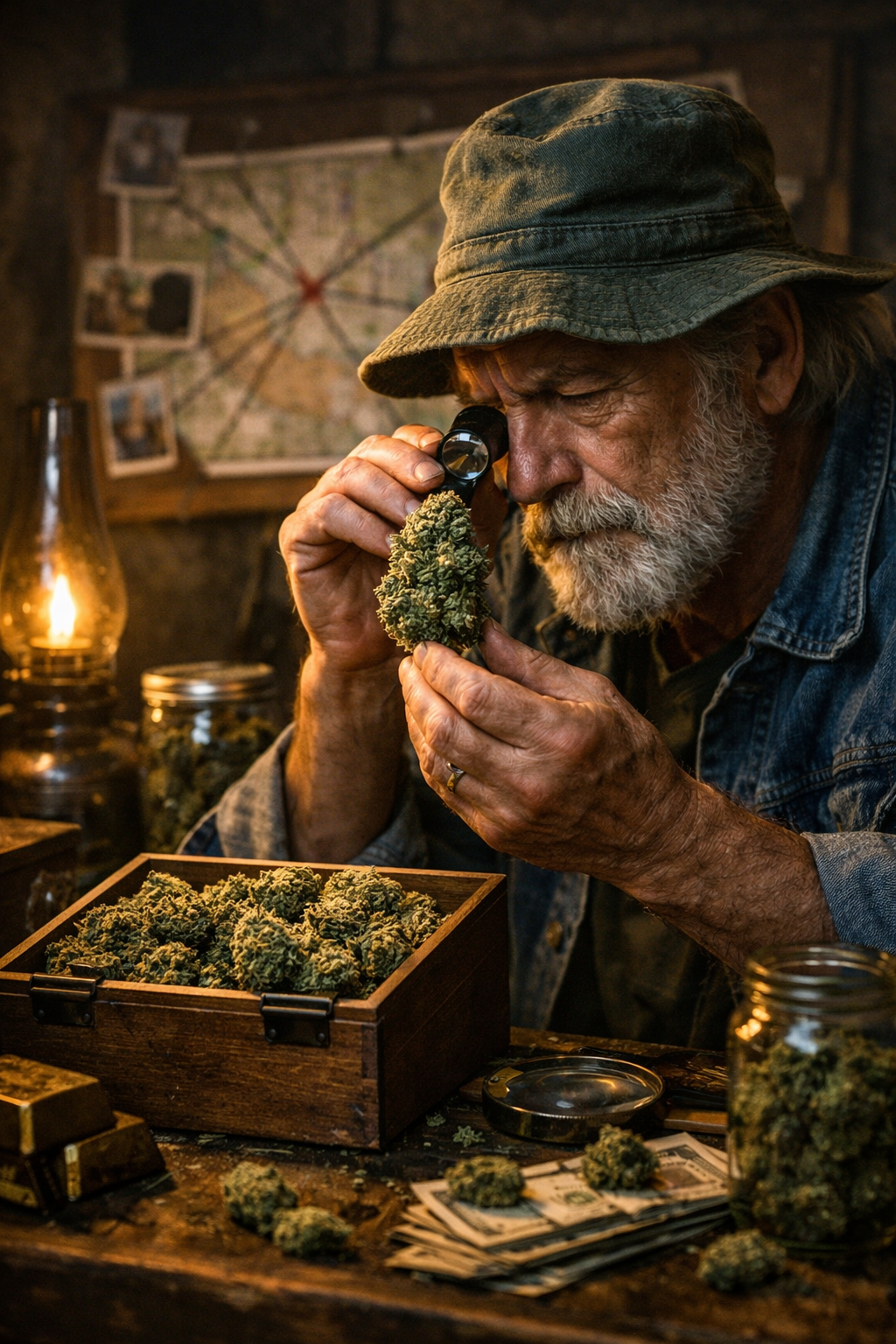
There’s a 60-year-old man. You’ve probably walked past him before. Maybe he nodded at you in the grocery store. Maybe he held the door open and said, “Have a good one,” like a regular human being.
You’d never suspect a thing.
This man has been growing cannabis for 45 years straight. No breaks. No vacations from the plant. While people were switching careers, switching styles, switching personalities—this man stayed loyal to one thing:
The craft.
He’s not running a mega-grow.
He’s not posting on Instagram.
He’s not chasing clout, customers, or cash.
He’s got three to six plants tucked away in a closet. That’s it.
Small. Quiet. Surgical.
But here’s where it gets scary…
For over 40 years, this man has been dialing in genetics. Tweaking. Crossing. Perfecting. Failing. Learning. Rebuilding. Like a mad scientist—but instead of blowing things up, he’s creating something nobody else on earth has.
And the result?
The best cannabis flower on the planet.
Yeah, I said it.
And you’ll never find it in a dispensary.
Why would you? He doesn’t grow enough.
You won’t see it at a pop-up event.
He’s not setting up a vendor table.
He’s not branding it.
He’s not marketing it.
He’s not even telling people he grows.
It’s just him… and maybe two or three close friends who get blessed once in a while like they just won the lottery without buying a ticket.
That’s a diamond in the rough.
That’s the kind of hidden gem this hunt is really about.
⸻
Now before anybody starts tagging their uncle or swearing they “know a guy,” relax…
This is hypothetical.
But also… not really.
Because situations like this? They exist.
And that means the best flower in the state might not be where everyone’s looking.
It might not be where anyone’s looking.
⸻
Now let’s talk about me for a second.
As OG Strain, I’ve had a lot of flower come my way. People sending me packs to review, to test, to break down. Some of it donated, some of it hyped up, some of it… surprisingly elite.
And don’t get it twisted—I’ve been impressed. Very impressed.
But deep down?
I know I haven’t found the one yet.
And that bothers me.
Because I’m not just here to smoke good weed—I’m here to find the best weed.
⸻
So now we take this to the next level.
I’m talking about a real hunt. A real challenge. A real search for the crown.
If you’re a grower, a vendor, a connoisseur, or just someone who knows…
This is your moment.
And vendors—listen closely.
Next time you’re re-upping, don’t just chase profit. Don’t just grab what’s going to move fast.
Think different.
Think, “What’s the best thing here… even if it makes no sense financially?”
That jar the guy keeps mentioning that costs $100 an eighth? The one you laugh off every time?
Yeah… maybe stop laughing.
Grab it.
Just once.
Because what if that’s the one?
What if that’s the strain that changes everything?
What if that’s the one you should’ve been paying attention to this whole time?
⸻
Now let me make one thing crystal clear…
If you think you have the best bud in the state, do not comment:
“Bro I got better.”
“You should see what I have.”
“Nothing compares to my guy.”
No.
That does nothing.
Put it in my hands.
That’s how this works.
Bring the proof.
⸻
Now here’s where it gets interesting…
Not everybody wants the spotlight.
Some of you reading this right now—you don’t want your name out there. You don’t want a brand. You don’t want a line out the door. You don’t want to “hold the crown.”
You just want to know—for yourself—that what you have is the best.
I respect that.
If that’s you, say that.
We can keep it quiet.
We can keep it between us.
I’ll step into your world, not drag you into mine.
And if what you’ve got really is that… I’d be honored just to experience it and be part of that circle. No spotlight required.
⸻
But for those of you who do want the crown?
Oh, we’re doing this the right way.
Because I’m not just talking—I’ve already got backing on this.
And I’m telling you right now:
The best flower in the state will be recognized properly.
Features. Exposure. Respect.
Everything that comes with being number one.
No games. No politics. No favoritism.
Just the truth.
⸻
Because somewhere out there…
There’s a quiet grower.
A hidden genius.
A master of the plant who doesn’t want fame—but definitely deserves recognition.
And I promise you this:
OG Strain is going to find them.
So if you’ve got something…
If you know something…
If you truly believe you’ve seen—or smoked—the best flower in the state…
Don’t talk about it.
Show me.
The hunt is officially on.



Lifestyle
THE NIGHT BEFORE HARVEST FEST: CHARGE YOUR CAMERAS, CLEAR YOUR STORAGE & GET READY FOR LIFT-OFF!
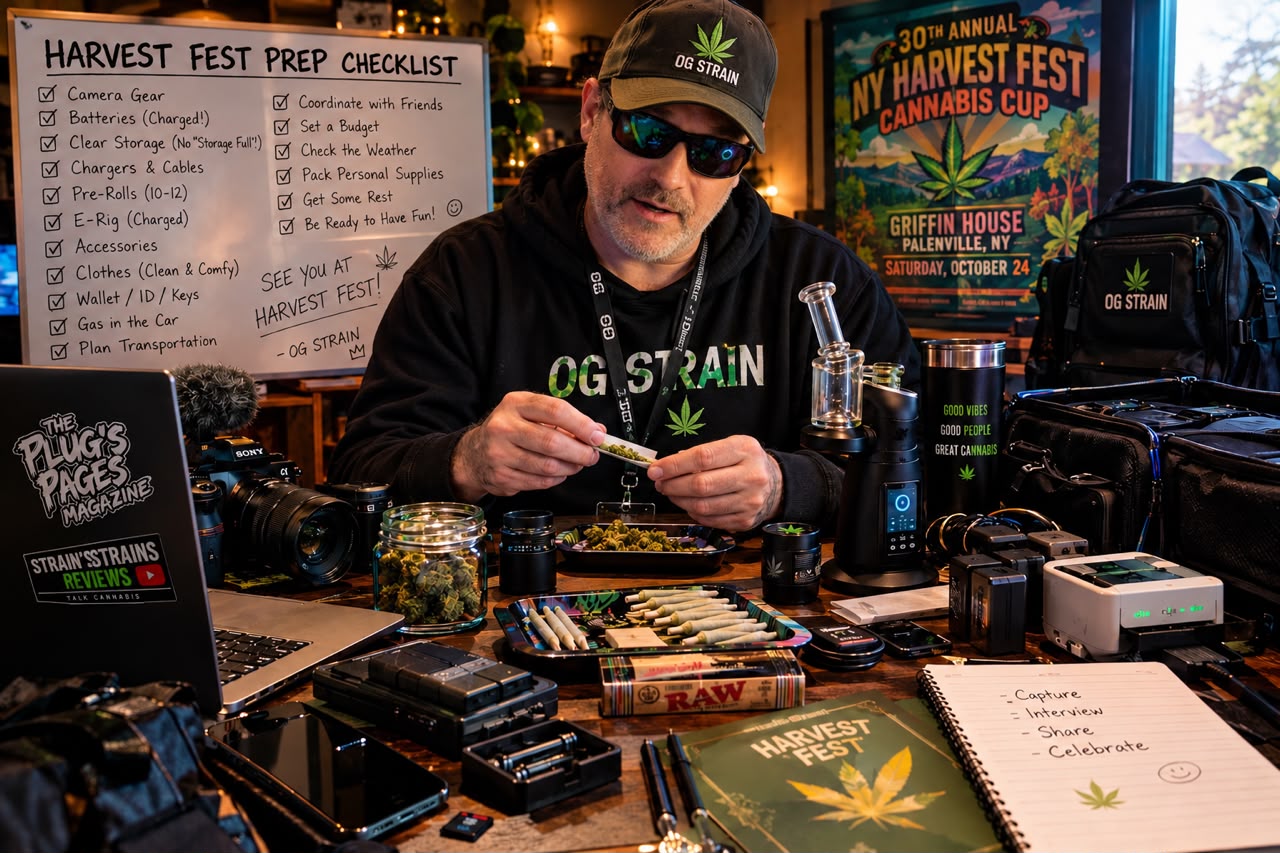
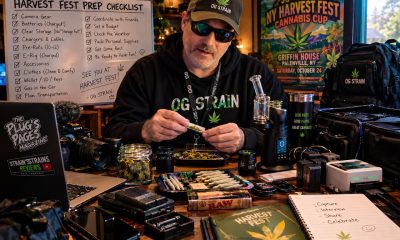
The countdown is on, the excitement is building, and OG Strain has a checklist longer than the line at a popular vendor booth. Here’s how we’re getting ready for the 30th Annual NY Harvest Fest Cannabis Cup!
There’s a certain kind of excitement that hits when you know something special is right around the corner. You’re looking forward to seeing your friends, meeting new people, checking out incredible vendors, discovering new products, and spending an entire day surrounded by people who share your interests. You can practically picture it already: the music playing, the conversations flowing, the smell of the autumn air, familiar faces popping up everywhere, and that first moment when you walk through the gates and realize, We’re finally here!
But before we get to that moment, there’s one small obstacle standing between us and festival happiness.
Preparation.
And if you’ve ever gotten ready for a big event, you know exactly what I’m talking about. Your mind suddenly becomes a 24-hour operations center. Did I pack everything? Did I charge everything? Where are my keys? Is my outfit clean? Did I remember my wallet? And why, after checking the same bag four times, am I still convinced I’ve forgotten something?
Welcome to the final countdown!
On Saturday, October 24, the 30th Annual NY Harvest Fest Cannabis Cup returns to Griffin House in Palenville, New York. Vendors, organizers, workers, creators, friends, and attendees are getting ready for a day dedicated to cannabis culture, community, and celebrating the harvest.
Everybody has a role to play, and everybody has something to prepare.
Some people have been planning for weeks. Others have been putting in work behind the scenes for days. And some of us are staring at a pile of equipment wondering how one person managed to accumulate so many chargers for so many different things.
I’m looking at you, camera bag.
EVERYBODY’S GETTING READY — AND NOBODY WANTS TO FORGET SOMETHING!
Think about the vendors for a minute. They’re not just waking up Saturday morning, grabbing a folding table, tossing a few products in the back seat, and hoping the cannabis gods take care of the rest.
These folks have inventory to organize, displays to prepare, booths to set up, products to transport, and customers to welcome. Some will arrive hours before the gates open, getting everything into position while the rest of us are probably still trying to decide whether we need another cup of coffee.
And before the vendors arrive, there’s a whole team of people making sure the event itself is ready. Stages, decorations, equipment, logistics, and countless other details need attention. A successful festival doesn’t magically appear because somebody said, “Let’s have a Harvest Fest!”
Well, wouldn’t that be convenient?
There’s real work behind an event like this, and everybody who contributes deserves appreciation.
But preparation isn’t just for the people working the event. Attendees have their own lists, too. Some are coordinating rides and meeting places. Others are planning their budgets, checking the weather, deciding what to wear, and figuring out how much they can fit into one day without needing a second calendar.
And then there’s me.
I’m not running a vendor booth. I’m not hosting the festival. I’m a regular guy attending Harvest Fest, just like plenty of you. But this year, I’ve got an extra mission: covering the event for Strain’s Strain Reviews (Talk Cannabis) on YouTube and The Plug’s Pages Magazine.
Which means my preparation list has developed a personality of its own!
OG STRAIN’S CAMERA BAG: WHERE GOOD TIMES MEET TECHNICAL DIFFICULTIES
I’m going to be walking around, talking with vendors, asking questions, recording interviews, capturing the atmosphere, and bringing you along for the experience.
That means my cameras need to be ready, my batteries need to be charged, my accessories need to be packed, and my equipment needs to be organized before I leave home.
And then it hit me: charging the camera isn’t enough. I’ve got to make sure there’s actually room to record something!
Let me explain.
Imagine I’m standing at a vendor’s booth. The camera is rolling. The vendor is telling me an incredible story about how their business got started. We’re having a great conversation, they’re answering questions, the footage is looking fantastic, and I’m thinking, This is exactly why I came here!
Then suddenly, my device flashes the two words every content creator dreads:
STORAGE FULL.
ARE YOU KIDDING ME?!
Now the interview has to stop. The vendor is waiting. The camera isn’t recording. And I’m standing there trying to decide which old videos I can delete without accidentally erasing something important.
Meanwhile, the perfect moment has packed its bags and left the building!
Nope. Not happening on my watch.
Clearing storage on my recording devices is officially part of my pre-festival checklist. I’m making room in advance so I can concentrate on capturing the event instead of conducting emergency digital surgery in the middle of an interview.
Because nothing says professional production quite like asking a vendor to hold that interesting story while you delete 47 videos of your own feet!
I’m also making sure my devices are charged, my chargers are packed, and everything I need is ready to go. I’ll be bringing my son along to help operate the camera, too, so we’ve got our own father-and-son production team in action.
I’ve been thinking about whether he’s had enough practice with the camera and whether we’ve got everything organized properly. I want to capture the people, the products, the conversations, the laughter, and all those little moments that make a festival memorable.
Hopefully, we come home with fantastic footage, some great interviews, and a collection of memories that makes people wish they’d been right there with us.
That’s the mission.
And step one is making sure the camera doesn’t decide it’s finished working before the festival is finished happening!
THE PERSONAL CHECKLIST: GAS, CASH, CLEAN CLOTHES & A LITTLE COMMON SENSE
Of course, camera equipment isn’t the only thing I need to worry about.
I’ve got to make sure my clothes are clean, my outfit is ready, my car has gas, my wallet is in my pocket, and my keys are where they’re supposed to be.
You know, the basic things that somehow become complicated when you’re excited about something.
It’s funny how your brain works before a big event. You can remember the name of a vendor you met six months ago, the product somebody told you about last spring, and the exact conversation you had with a friend at the last festival.
But remembering where you put your wallet?
Suddenly, you’re a detective investigating your own house.
And don’t even get me started on the final bag check. You check everything, zip the bag, walk away, stop, turn around, unzip it, and check everything again.
Why?
Because apparently the items inside might have escaped during the three seconds you weren’t looking!
Seriously, though, a little preparation can save a lot of frustration. Check your essentials, make sure your phone is charged, plan your transportation, dress for the weather, and give yourself enough time to get where you’re going.
If you’re meeting friends, coordinate ahead of time. If you’re bringing equipment, check it before you leave. If you have a long drive, make sure you’re ready for it.
And if you’re planning to purchase something at the festival, set yourself a budget so you can enjoy exploring without worrying about your spending later.
The idea is simple: take care of the little things beforehand so the big things can take center stage.
YES, OG STRAIN HAS A CANNABIS CHECKLIST, TOO!
Now, come on. You knew we weren’t getting through this article without talking about cannabis!
For me, part of getting ready means organizing my personal supplies and making sure my equipment is ready. I like having my pre-rolls prepared in advance, and I want my e-rig fully charged, with the necessary charger and accessories packed.
Personally, I like having around ten to twelve joints rolled and ready to go. I know myself. If I decide I want to enjoy one, I’d rather reach into my bag and grab a pre-roll than stop everything, find somewhere to sit, get out my papers and supplies, and start rolling while everybody else is exploring the festival.
That’s my preference. Your mileage may vary!
Some people enjoy rolling their own throughout the day. Others prefer to bring their favorite accessories. Some like traveling light and checking out what’s available from the vendors. Everybody has their own routine, comfort level, and way of preparing.
There’s no competition for who can pack the most stuff. This isn’t the Cannabis Olympics, and nobody’s handing out medals for the heaviest backpack!
The point is to think ahead about what you’ll need and what will make your day more enjoyable.
Remember to follow event rules and applicable laws, consume responsibly, and plan safe transportation in advance. Never drive impaired, and don’t assume every product or accessory is permitted everywhere at the event.
We’re going there to have a good time, enjoy the community, and make memories. Let’s keep it that way.
THE GOAL ISN’T THE STRONGEST HIGH. IT’S THE QUALITY OF THE EXPERIENCE!
Here’s something I think gets overlooked sometimes: the best festival experience isn’t necessarily about finding the strongest product or chasing the most intense buzz.
For me, it’s about the quality of the experience as a whole.
It’s the anticipation on the drive over. It’s spotting your friends in the crowd. It’s hearing music in the distance while you make your way toward the action. It’s discovering a vendor you’ve never met before and finding out they have an incredible story to tell.
It’s the laughter that catches you off guard, the conversations that last longer than expected, the unexpected introductions, and the feeling that you’re exactly where you’re supposed to be.
And for those who choose to enjoy cannabis, it’s about making responsible choices and appreciating the experience without feeling like everything has to be a contest.
The goal isn’t to chase the strongest high you’ve ever felt. It’s to enjoy the best-quality buzz and the best overall experience you can have.
There’s a difference between chasing intensity and appreciating quality. Sometimes the best moments aren’t the ones that hit you the hardest. They’re the ones that leave you smiling long after they’ve passed.
That’s the kind of feeling I’m looking forward to: good company, great conversations, a welcoming atmosphere, and a community coming together to celebrate.
Think about that for a second.
Picture yourself arriving, taking in the scene, hearing the music, spotting somebody you haven’t seen in months, and walking over to say hello. You start talking, somebody introduces you to somebody else, and suddenly you’re laughing with people you might never have met if you hadn’t shown up.
You wander over to a booth and discover something new. You stop to watch what’s happening near the stage. You run into another friend on your way somewhere else. Before you know it, the day is flying by, and you’re wondering how so much fun managed to fit into so few hours.
That’s the kind of euphoria that comes from anticipation turning into a genuinely good experience.
No checklist can guarantee a perfect day, but being prepared gives you more room to enjoy the moments that make it special.
And that’s what I’m after.
THE REAL REASON I’M SO EXCITED? THE PEOPLE!
Don’t get me wrong. I’m looking forward to seeing what the vendors bring, checking out the products, filming interviews, and capturing content for my channel and the magazine.
But the thing I’m probably most excited about is seeing everybody.
There are so many people I know who are planning to attend, and I can’t wait to catch up with them. Friends from the cannabis community, familiar faces from previous events, people I’ve connected with online, and folks I’ve been meaning to see in person again.
Social media is great for keeping in touch, but there’s something different about actually being in the same place.
You get to shake hands, give hugs where welcome, share a laugh, hear what’s been happening in everybody’s lives, and enjoy the kind of conversations that are hard to replicate through a screen.
And that’s one of the things I appreciate about this community. Beyond the products and businesses, there are real people with stories, ambitions, personalities, and friendships that continue to grow.
Some of my favorite moments at events happen when I’m not even looking for them. A random conversation turns into a great connection. Somebody says something hilarious. You bump into a friend you weren’t expecting to see. An ordinary moment becomes one you’ll remember for years.
Those are the moments you can’t schedule.
You can prepare your equipment, charge your batteries, clear your storage, and organize your bag. But you can’t plan every laugh, every surprise, or every conversation that makes the day worthwhile.
You just have to show up ready to experience it.
And believe me, I’m ready!
YOUR FINAL HARVEST FEST CHECKLIST: DON’T LET YOURSELF BE THE PLOT TWIST!
Before Saturday arrives, here’s your friendly reminder from OG Strain to take a few minutes and get yourself organized.
The night-before checklist:
Check your phone, camera, and other device batteries.
Clear enough storage for the photos and videos you plan to capture.
Pack your chargers, cables, and any necessary accessories.
Get your clothes ready and check the weather forecast.
Make sure you have your wallet, identification, keys, and other essentials.
Check your gas and plan your route and transportation.
Coordinate with friends if you’re meeting up.
Set a budget if you’re planning to shop.
Pack any permitted personal supplies you’ll need.
Get some rest so you can enjoy the day.
And here’s my personal favorite: once you’ve finished your checklist, actually look at it!
There’s no point making a list if you’re going to ignore it and rely on your memory. My memory is excellent when it comes to cannabis events and terrible when it comes to remembering why I walked into a room.
Maybe that’s just me.
If you’re traveling, give yourself plenty of time, follow event guidance, and remember that weather, crowds, and schedules can change. A little flexibility goes a long way.
Most importantly, don’t let the preparation become more stressful than it needs to be. We’re getting ready to enjoy ourselves, not preparing for a mission to Mars!
SATURDAY, WE CELEBRATE THE HARVEST!
After all the planning, charging, packing, checking, double-checking, and last-minute scrambling, Saturday will finally arrive.
The vendors will be ready. The organizers will have put in the work. Friends will be arriving from different directions. Music will fill the air, conversations will start flowing, and people will begin exploring everything the festival has to offer.
And somewhere in the middle of it all, OG Strain will be walking around with a camera, asking questions, meeting people, and trying to capture as much of the experience as possible.
My son and I will be doing our best to bring you along for the ride. The cameras will be ready, the storage will be cleared, and hopefully the only thing running out will be the time before I get to see everybody!
I’m genuinely looking forward to this. I’m ready for some fun. I’m ready to reconnect with friends, meet new people, see what the vendors have been working on, and enjoy a day surrounded by people who share a passion for this community.
Thirty years of Harvest Fest is something worth celebrating. And whether you’re attending as a vendor, an organizer, a creator, or simply somebody who wants to enjoy the day, you’re part of the gathering that makes this event what it is.
So get your things together. Charge those batteries. Clear that storage. Find those keys. Check that wallet. And if you catch yourself checking the same bag for the fifth time, don’t worry. You’re among friends!
Let’s show up ready to enjoy ourselves, support the community, discover something new, and make this a Harvest Fest we’ll be talking about long after Saturday is over.
Because the real magic isn’t just in what we bring with us. It’s in what we experience together.
This isn’t just another Saturday. It’s a celebration of the harvest, the community, the culture, and the people who make it all worthwhile.
I’ll see you all Saturday at the 30th Annual NY Harvest Fest Cannabis Cup at Griffin House in Palenville, New York!
Until then, get prepared, get excited, and don’t forget to clear that storage!
OG Strain out. See you at Harvest Fest!
Lifestyle
I DON’T WANT TO WASTE ANOTHER DAY: WHY I’M BUILDING MY LEGACY IN THE 518 CANNABIS COMMUNITY
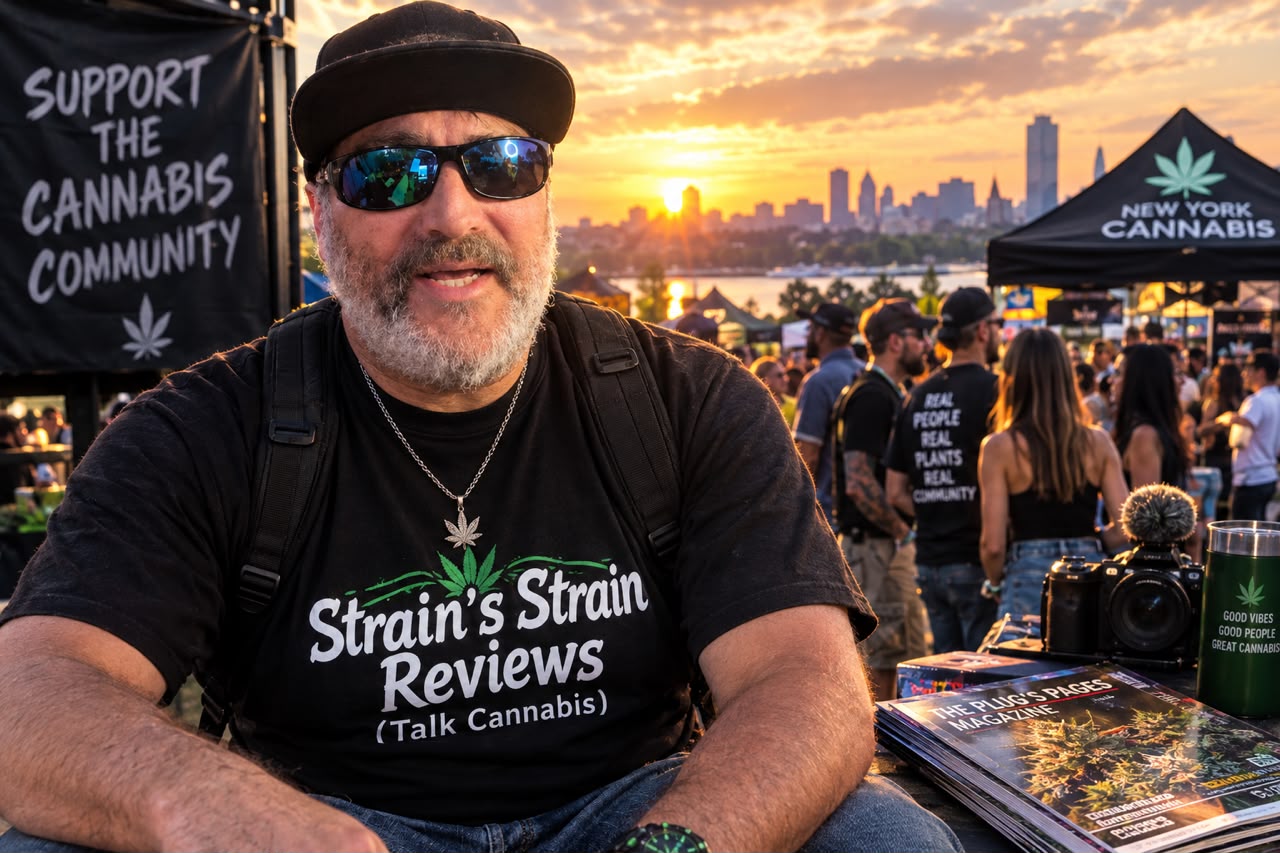
I’m 49 years old, and lately, I’ve been thinking about something that hits a little differently when you get to this stage of life: time doesn’t slow down for anybody, and none of us knows how much of it we have left.
It feels like I was just a kid yesterday. Now, here I am, approaching 50, looking back at how quickly the years have disappeared. Half my life may already be behind me, possibly more. Ten or twenty years might sound like a long time, but the truth is, none of us is guaranteed even that. Life can change in an instant, and tomorrow is never promised.
That realization has me looking at everything differently. I don’t want to waste another day, another hour, or another minute doing something that doesn’t mean anything to me. I want to make the absolute most of the time I have left. I want to wake up every morning knowing I’m doing something I genuinely love, spending time with people I respect, and building something that will mean something long after I’m gone.
I want every day to be the best day it can possibly be.
And the more I think about what that means for me, the more I realize that cannabis is a big part of the answer.
But it’s not just about getting high. If that were all this was about, I would have lost interest a long time ago.
For me, cannabis is about the flower, the flavors, the different strains, the people behind the plants, the growers putting their hearts into their craft, and the personalities that make this industry what it is. It’s about the conversations, the friendships, the laughs, the events, and the connections you make with people who share your passion.
Over the years, I’ve met some incredible characters in this industry. Some started out as acquaintances, some as business connections, and some as people I simply wanted to learn more about. Today, many of them are people I consider genuine friends.
And that’s when it really hit me: I’m not just passionate about cannabis. I’m passionate about the community that surrounds it.
That community has become a huge part of what makes my days meaningful. It gives me something to look forward to, something to work toward, and something I can contribute to. And if I’m going to spend my time on this earth doing something, I want it to be something I love.
I want to be able to look back one day and know I made a difference.
SO, WHO THE HELL IS OG STRAIN?
Over the last two years, Tim Strain has evolved into OG Strain. What started as a passion has grown into something much bigger, and naturally, people have started asking me a question:
“What exactly are you trying to build here?”
It’s a fair question.
I’m not a commercial grower. I’m not a distributor. I’m not trying to own a cultivation facility or build a cannabis company. My lane is different, and I’ve been figuring that out as I go.
I write about cannabis. I review strains. I share my experiences and opinions. I cover the people, products, businesses, and events that make this industry tick. Through Strain’s Strain Reviews (Talk Cannabis) and my writing for The Plug’s Pages Magazine, I’m building a name, a platform, and a reputation in the New York cannabis scene.
But if you think my goal is simply to rack up views, collect followers, or put my name on a bunch of articles, you’re missing the bigger picture.
Honestly, I want to be the 518’s “Dope As Yola.”
I want to become the cannabis personality people recognize, the guy people look forward to seeing at events, the reviewer whose opinion they respect, and the writer whose work they actually want to read. I want to be somebody people know by name, not because I’m the loudest person in the room, but because I’ve earned my place in the community.
I want to be THAT GUY.
The guy who walks into a cannabis event and gets greeted by people from every corner of the industry. The guy who can strike up a conversation with a grower, a brand owner, a budtender, a fellow reviewer, or somebody attending their very first cannabis festival and feel equally comfortable with all of them.
The guy who can sit down with people who have completely different backgrounds, experiences, and opinions and still find common ground.
And yes, I want to be the guy standing in line at a cannabis festival when the host spots me and says, “Hey, that’s OG Strain! What the hell is he doing standing in line? Everybody knows OG. Get that man in here!”
I’m not going to lie. That would make me smile.
Not because I think I’m better than anybody else, and certainly not because I believe I’m entitled to special treatment. It’s because that moment represents something much more meaningful than skipping a line.
It represents recognition.
And here’s something people should understand: I’m not just talking about some fantasy scenario that I hope happens someday. It has happened before.
There have been times when I’ve been welcomed into festivals and shows without having to pay admission, and times when I’ve been recognized and waved past the line. Does it happen every time? Of course not. I don’t expect it to, either. But when it does happen, I can’t begin to explain what that feeling means to me.
Imagine pouring your time, energy, and passion into something, often without getting paid for the hours you put in, and then having somebody unexpectedly show you that they noticed.
That’s what it feels like.
It’s confirmation that the work I’m doing is being seen and appreciated. It’s a reminder that the relationships I’ve built mean something and that I’m becoming more than just another guy with a camera or a social media account.
And honestly? That feeling is worth more to me than the free admission itself.
Because I’m not trying to buy my way into this community. I’m trying to earn my place in it.
FIFTY HOURS A WEEK. ZERO EXPECTATIONS.
Here’s something people might not realize about what I do.
Between writing, reviewing, creating content, sharing information, connecting people, supporting businesses, and helping others get their names and products in front of an audience, I can easily put in 50 hours a week.
And much of that time is time I donate.
I’m not walking around handing out invoices every time I help somebody. I’m not keeping a running tab of favors, waiting for somebody to pay me back. When I see a person or a business doing things the right way and genuinely contributing something worthwhile to the community, I want to support them.
If I can help a good business get noticed, I want to help. If I can introduce people who could benefit from knowing each other, I’m happy to make that connection. If I can share somebody’s work, highlight a product, write an article, or bring attention to something deserving, I’ll do what I can.
I want to see good people succeed. I want to see hardworking businesses thrive. And I want to see the New York cannabis community become a place where people can build real relationships, support one another, and grow together.
But don’t mistake my willingness to support people for a willingness to compromise my integrity.
Not every business is going to get my support, and not every product is going to get a glowing review. Having a platform means having a responsibility to be honest about what I experience. My credibility matters, and I’m not willing to sacrifice it just to make somebody happy.
Supporting this community doesn’t mean pretending everything is perfect. It means recognizing the people who are putting in the work, doing things properly, and treating others with respect.
And I do this because I genuinely enjoy it.
Still, let’s be real: when you put 50 hours a week into something, it means something when people notice.
I don’t expect free admission to every festival. I don’t expect special treatment from every business I support. I don’t believe writing an article or reviewing a strain automatically earns me a favor.
But when somebody remembers what I’ve done and says, “OG, you’re good. Come on in,” I appreciate the hell out of it.
It tells me the relationship goes beyond a transaction. It tells me they see me as part of their community.
And that feeling is priceless.
I RETURN ENERGY. ALWAYS HAVE, ALWAYS WILL.
There’s a saying I live by: I look out for the people who look out for me.
I return energy.
If somebody supports my work, gives me opportunities, shares my content, includes me in something special, or simply takes the time to show genuine appreciation, I remember it. I notice who makes an effort, who reaches out, who keeps their word, and who treats people well when there’s nothing obvious to gain.
And when somebody shows me that kind of respect, I want to return it. Maybe that means supporting their next event, highlighting their work, writing about something they’re doing, sharing their accomplishments, or simply showing up when they need somebody in their corner.
Real relationships are built through consistency, trust, and mutual respect.
I also understand that nobody can support everybody all the time. People have their own lives, businesses, families, responsibilities, and financial realities. I don’t expect everyone to do something for me just because I’ve done something for them.
This isn’t about keeping score. It’s about recognizing genuine effort and appreciating the people who make this journey worthwhile.
And that’s where things get complicated.
Because as much as I love this community, I’m not blind to the fact that there are a few rotten apples who threaten to spoil the whole bunch.
There are people whose jealousy, dishonesty, selfishness, and malicious behavior can do real damage to the very community so many of us are working hard to build. Some things go beyond ordinary disagreements or business competition. Sometimes, the behavior is genuinely disturbing, and good people end up paying the price for somebody else’s bitterness.
But here’s what I refuse to let those people do: make me lose faith in everybody else.
Because for every person trying to tear others down, there are genuinely loving, sincere people who remind me what this community is supposed to be about.
People who celebrate somebody else’s success instead of resenting it. People who support others without expecting anything in return. People who lead with kindness, treat others with respect, and choose love over jealousy.
People who are passionate about cannabis but understand that the human beings behind the plants, brands, and businesses matter just as much.
THOSE are the people I do this for.
They’re the reason I keep investing so much of my time, energy, and myself into this community. They remind me that the actions of a few bad people don’t define the rest of us.
And when I see people I care about being mistreated, targeted, or dragged down by malicious behavior, I’m not always willing to sit quietly on the sidelines.
I’ve been willing to put myself and my own safety at risk to stand up for people I believe in. I don’t say that to sound like a hero, and I’m certainly not looking for a fight. I say it because loyalty means something to me, and sometimes doing what you believe is right comes with consequences.
I know standing up for people doesn’t always make you popular. Sometimes it makes you a target. But I would rather stand up for people I love than abandon them just to make my own life easier.
I’m not going to let a handful of bad apples make me forget the good people who make this community worth fighting for.
And I’m certainly not going to let jealousy dictate how much success somebody else deserves.
There’s room for more than one reviewer, writer, creator, grower, or personality to succeed. Someone else’s success doesn’t have to come at my expense.
In fact, when good people succeed, I consider that a win for all of us.
I’M NOT TRYING TO BE FAMOUS. I’M TRYING TO BE REMEMBERED.
There’s a difference between being known and actually meaning something to people.
Anybody can chase attention. You can buy advertisements, flood social media, put your face on everything, and try to make yourself impossible to ignore. But attention doesn’t automatically translate into respect, and being recognizable doesn’t necessarily mean you’ve made a difference.
What I want is something deeper.
I want growers to know that I appreciate their craft. I want small businesses to know their hard work matters. I want fellow creators to know I’m willing to support good work without treating everyone like a competitor.
I want people to feel comfortable approaching me at events. I want conversations that turn into friendships and friendships that last long after the music stops and the festival grounds empty out.
I want to be invited into rooms because people genuinely want me there.
And if somebody introduces me to a new person by saying, “You’ve got to meet OG Strain,” I hope it’s because I’ve earned a reputation worth passing along.
Not a name that depends on one viral video, one popular review, or one big event. A name built through years of showing up, doing the work, treating people fairly, and being somebody others can count on.
I know I won’t be everyone’s cup of tea. Nobody is. Some people will agree with my opinions, and others won’t. Some will love my personality, and others might not understand it.
That’s life.
I’m not trying to make every single person like me. I’m trying to be somebody people can respect, even when we don’t see eye to eye.
And if I can accomplish that while having a hell of a good time doing something I love, I’d call that a pretty damn good life.
THE REAL REASON I DON’T WANT TO WASTE ANOTHER DAY
At 49, I understand something I didn’t fully appreciate when I was younger: time is the one thing you cannot get back.
You can lose money and earn it again. You can lose an opportunity and find another one. You can make mistakes, learn from them, and take a different path.
But once a day is gone, it’s gone.
I don’t want to spend my remaining years waiting for the perfect moment to start living the life I want. I don’t want to waste my energy on pointless arguments, unnecessary drama, or competition that doesn’t move anybody forward.
And I don’t want to spend my time trying to impress people who don’t care about me while overlooking the people who do.
I want to spend my days doing things that matter to me, with people who make life better.
I want to enjoy the flower, explore new strains, meet the people, attend the festivals, tell the stories, write the articles, make the videos, and keep discovering what this industry has to offer.
Cannabis opened a door for me, but the people I’ve met along the way have given me even more reasons to keep walking through it.
The friends who welcome me with a smile, the people who support my work, the ones who celebrate others instead of tearing them down, and the good-hearted people who make this community feel like home remind me that my time is being spent on something worthwhile.
That’s what makes this bigger than a hobby.
It’s purpose. It’s connection. It’s having something you love enough to give it your best, even when nobody’s paying you to do it.
If I can help a few good businesses grow, introduce people who become lifelong friends, make somebody laugh, stand up for someone who needs it, and leave this industry a little better than I found it, then I will feel that my time was well spent.
And that brings me to the real question.
SO, WHAT’S THE ENDGAME FOR OG STRAIN?
I’m building a reputation, a network, a platform, and a legacy.
I want to become one of those familiar faces in New York cannabis, someone people recognize from their screens and are genuinely happy to see in person. I want to walk into a room and find friends in every direction. I want my work to open doors to new experiences, meaningful relationships, and opportunities to contribute even more.
And yes, I want to become the 518’s go-to cannabis personality.
I want to be the guy people remember because I gave them a reason to remember me.
Maybe someday, I’ll walk into a festival and hear somebody shout, “OG STRAIN! Get over here!”
Maybe I’ll be waved past the line again. Maybe someone will insist on getting me through the door because they appreciate the work I’ve put in. And maybe I’ll find myself standing there for a moment, taking it all in, realizing that something I started simply because I loved it has grown into something I once only imagined.
When that happens, I’ll smile, say thank you, and appreciate the hell out of it.
Then I’ll get back to doing what I came there to do: meeting people, supporting good businesses, discovering great cannabis, and enjoying the community that made this whole journey worthwhile.
Because the free ticket isn’t the prize.
The relationships are. The respect is. The knowledge that your work meant something to somebody is.
And I want to be clear about one more thing: I’m not building this legacy alone. Every person who has supported me, welcomed me into their business, invited me to an event, shared my content, offered encouragement, or simply taken the time to get to know me has become part of this story.
To those people, thank you. I see you. I appreciate you. And when you show me genuine love, you can bet I’m going to do my best to return it.
As for the people who choose jealousy over kindness, destruction over cooperation, and bitterness over celebrating somebody else’s success? They can do what they do. They don’t get to decide what this community becomes, and they sure as hell don’t get to decide what I do with the time I have left.
I DO.
I’m going to keep writing. I’m going to keep reviewing. I’m going to keep showing up for the people who deserve support. And when somebody tries to convince me that the bad outweighs the good, I’ll remember the friends I’ve made, the hands that have reached out to help me, and every moment that reminded me why I started this journey.
I’m 49 years old. I don’t know how many years I’ve got left, and neither do you.
But I know this: I’m not interested in sitting around waiting for life to happen. I’m not interested in spending my days chasing approval or playing somebody else’s game.
I’ve found something I love. I’ve found people worth standing beside. And I’ve found a community where I believe I can make a difference.
Now it’s time to see just how far I can take it.
So, to the growers, the creators, the small businesses, the event organizers, and every genuine, good-hearted person helping make New York cannabis what it is: I’m here, I’m invested, and I’m just getting started.
The next chapter is still being written.
And if you see me at the next festival, come say hello. You might catch me reviewing a new strain, laughing with friends, supporting a vendor, or making a connection that turns into something bigger than either of us expected.
And who knows? Maybe you’ll be there when another door opens.
Because I’m not chasing a free ticket. I’m not chasing a little internet fame. I’m building something that I hope will outlast the next trend, the next viral video, and even the name on the front of my shirt.
I’m building a legacy.
THE 518 HAS A LOT OF GOOD PEOPLE. I’M HERE FOR THEM. I’LL STAND UP FOR THEM. AND I’M GOING TO KEEP BUILDING WITH THEM.
Life is too short to do anything less.
Four quarters, not 100 pennies.
OG Strain isn’t done yet. Not even close.
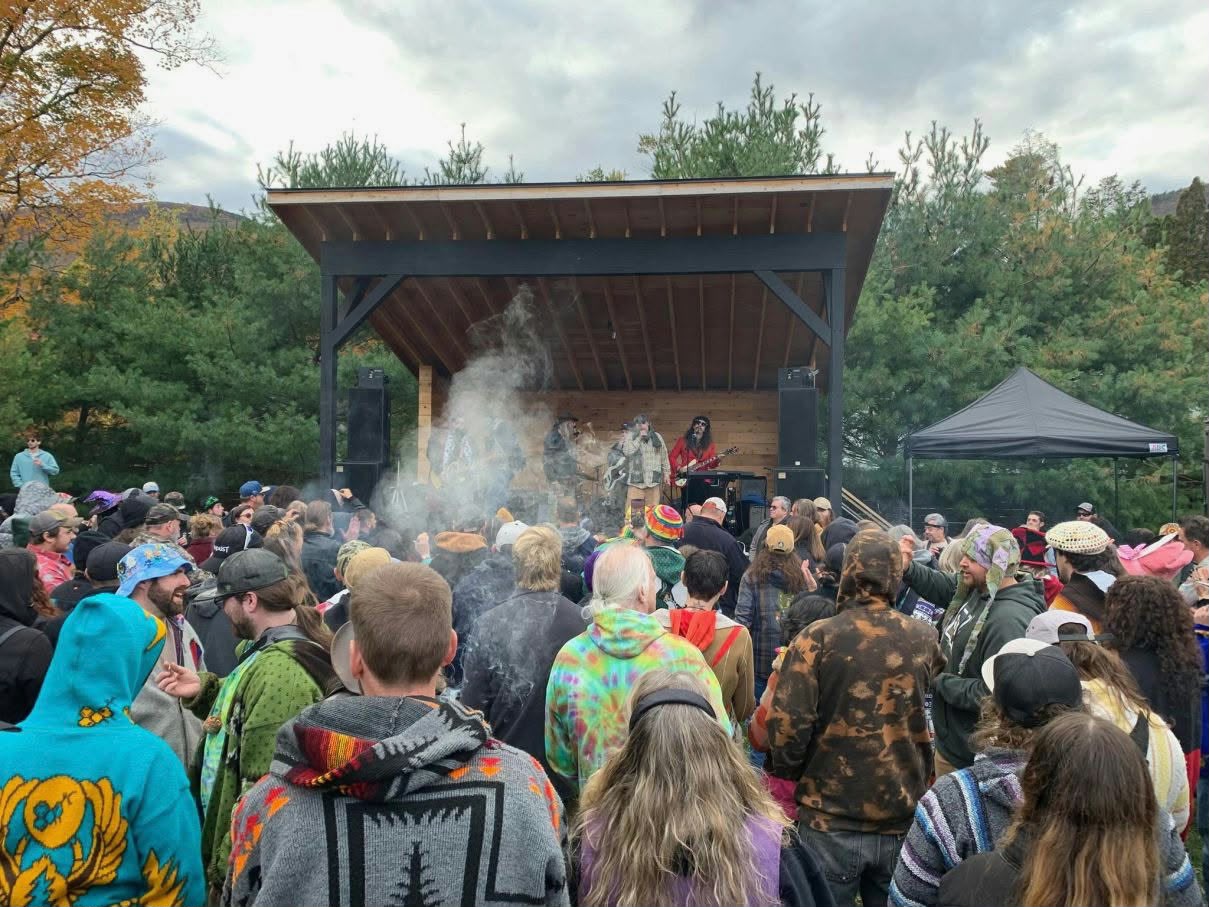
For 30 years, people have been coming together in New York to celebrate cannabis, music, culture, competition, friendship and community.
Thirty.
Years.
That’s not just an anniversary.
That’s a damn legacy. 😂
On Saturday, October 24, 2026, the 30th Annual New York Harvest Fest Cannabis Cup returns to Griffin House in Palenville, New York, bringing a full day and night of cannabis culture, live music, competition, art, community and the kind of experiences that are hard to explain to somebody who has never been there.
The event runs from noon until midnight.
And if you’ve never experienced Harvest Fest before, 2026 might be the year to finally stop hearing about it from everybody else and come see what the hell they’ve been talking about.
Because Harvest Fest isn’t just another cannabis event.
It’s 30 years of history.
Thirty years of people showing up.
Thirty years of growers competing.
Thirty years of friendships being made and old friends reconnecting.
Thirty years of people who might only see each other once a year looking across a festival ground, recognizing a familiar face and saying, “Holy shit! What’s up, brother?!”
That kind of community doesn’t happen overnight.
And it definitely doesn’t happen by accident.
THE CUP IS THE HEART OF HARVEST FEST
One of the biggest things that separates Harvest Fest from your average festival is the competition itself.
According to Harvest Fest organizer Rob Robinson, the Cannabis Cup remains the main theme of the event — and it carries a pretty damn impressive distinction.
It is billed as the longest-running cannabis competition in the United States.
And there’s something pretty wild about the way it works:
Anyone can enter. Everyone is a judge.
Think about that for a second.
How many people can honestly say they dreamed about becoming a cannabis Cup judge and then actually got the opportunity to do it?
At Harvest Fest, you’re not just standing around watching somebody else compete.
You can become part of the competition.
That spirit of participation has helped keep the Cup at the center of Harvest Fest for decades, and it’s one of the reasons people keep coming back.
The competition is only part of the story, though.
Because if you ask the people who have been attending Harvest Fest year after year why they return, you’re going to hear another word over and over again:
Community.
THE PEOPLE ARE THE REASON PEOPLE RETURN
There are festivals you attend once.
Then there are festivals that become traditions.
Harvest Fest has become a tradition for generations of people.
And I can personally tell you that the community aspect isn’t just something that sounds good in a promotional article — I’ve experienced it myself.
The first time I went to Harvest Fest, I barely knew anybody.
I showed up, walked around, talked to people, checked out what everyone was doing and started making connections.
By the time I left, I had dozens of new contacts and new people in the cannabis community to network with, hang out with, share a smoke with, do business with, learn from and simply get to know.
That’s one of the things that surprised me most about the experience.
You can walk into Harvest Fest not knowing many people and walk out with an entirely different network.
And now, after only being involved in this community for a few years, I have a feeling this year is going to be a completely different experience for me.
Because of what I do — covering cannabis news, promotions, events and the people involved in this industry — I’m constantly talking to people throughout the community.
So when I walk into Harvest Fest this year, I wouldn’t be surprised if I already know half the damn crowd. 😂
And that, right there, tells you something about what Harvest Fest can do.
It brings people together.
Rob Robinson says the camaraderie is one of the biggest reasons people keep coming back — especially because Harvest Fest gives people the chance to see friends they may only see once a year.
That’s something you can’t put in a vendor booth.
You can’t package it.
You can’t put a price tag on it.
It’s the people.
It’s the conversations.
It’s the handshakes.
It’s the old friends.
It’s the new friends.
It’s meeting somebody for the first time and somehow feeling like you’ve known them for years.
And for 30 years, that sense of community has been one of the defining characteristics of Harvest Fest.
As Rob put it, the message he wants people to remember is simple:
Community.
Come be a part of it.
AND THEN THERE’S THE MUSIC…
If cannabis competition and community aren’t enough to get you interested, maybe some damn good live music will do the trick.
Harvest Fest 2026 features two headliners from the Grateful Dead musical family: Sam Grisman Project and the return of Skeleton Crewe.
Skeleton Crewe made its East Coast debut at Harvest Fest last year, and the all-star lineup is returning for the 30th anniversary celebration.
The group features veteran musicians including Rob Barraco, Barry Sless, Stephen Inglis, Pete Sears and Jay Lane — musicians whose résumés include connections to some of the most respected names and bands in the improvisational, psychedelic and jam-band world.
Then there’s the Sam Grisman Project, led by bassist and bandleader Sam Grisman.
Grisman grew up surrounded by legendary acoustic music through his father, mandolinist and composer David Grisman, whose circle of musical friends included icons such as Jerry Garcia, Doc Watson, John Hartford, Mike Seeger and Tony Rice.
The Sam Grisman Project carries that musical tradition forward through an ever-evolving collective of exceptional musicians.
So yeah…
This isn’t exactly background music while you walk around looking for the porta-potty. 😂
And I’m not just saying that because I’m writing a promotional article.
I’ve personally heard both of these acts perform before, and they are the real deal.
We’re talking top-shelf musicianship.
These aren’t some bands being thrown on stage to kill time between the important acts.
These are serious headlining musicians, and if you appreciate live music, you’re getting an opportunity to hear some extremely talented people doing what they do best.
I’ve even captured some of the music from previous Harvest Fest experiences in my own videos, and you can hear for yourself just how incredible the atmosphere can be.
Rob is absolutely right about one thing:
The music isn’t just background music.
The music is part of the attraction.
Honestly, if everything else at Harvest Fest disappeared and all you had left was the music, it would still be worth showing up for.
Fortunately, everything else isn’t disappearing. 😂
THE EDIBLE CUP IS GROWING TOO
Harvest Fest isn’t only about the traditional Cup.
The Golden Rolling Pin Edible Cup, hosted by Julie Gadapee, has developed its own following, with people looking forward to competing and judging.
Once again, Harvest Fest gives people an opportunity to participate rather than simply stand around watching everyone else have the fun.
And apparently people really like judging cannabis competitions.
I mean, who wouldn’t?
It’s basically the adult version of being handed the remote control and told, “You decide what we’re watching.” 😂
25+ BOOTHS, ART, CULTURE AND MORE
While this article isn’t about turning Harvest Fest into a shopping list, there will be more than 25 vendors and booths, featuring art, culture and more.
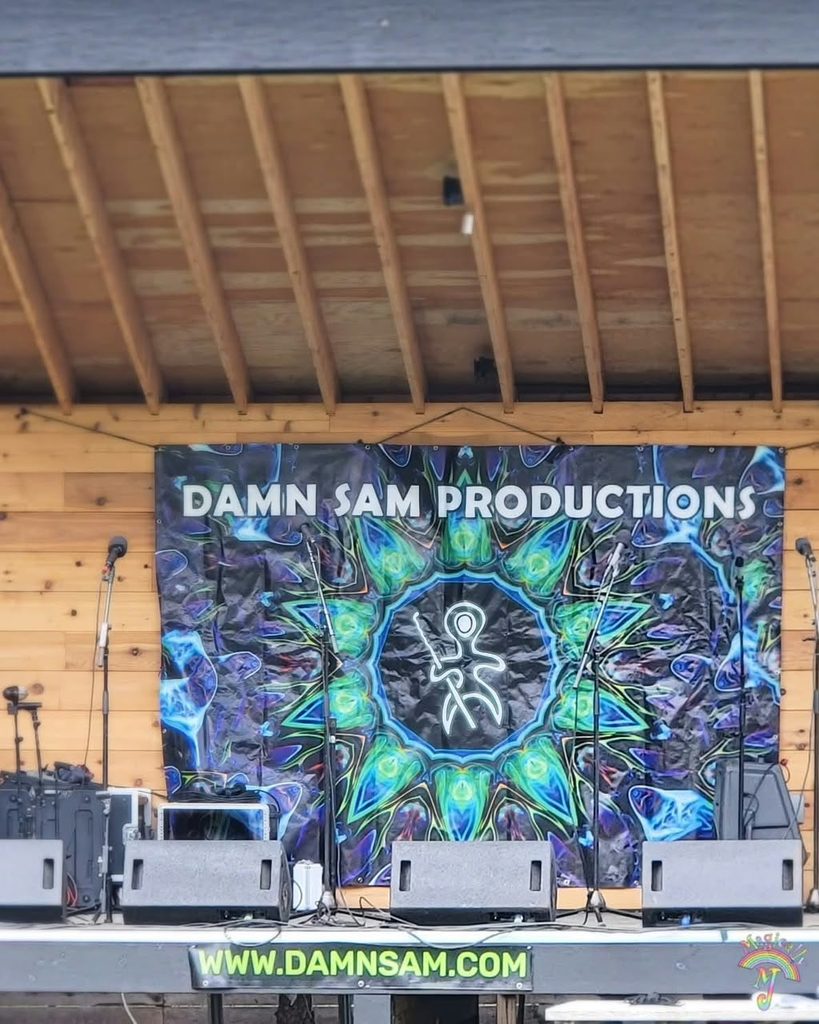
Rob specifically highlighted the Damn Sam booth and presenting sponsor Higher Beings, along with major sponsors Golden Road Seeds and Plant IQ.
But the bigger picture is what matters.
Harvest Fest brings together far more than cannabis.
It brings together music, art, culture, competition and people from different corners of the cannabis community.
And from my own experience, walking around Harvest Fest and checking out all the different booths is a huge part of the fun.
You never know what you’re going to find.
You might discover something you’ve never seen before.
You might meet a grower whose work you’ve been hearing about.
You might find something that becomes your new favorite.
Or you might simply end up standing at a booth talking cannabis with somebody for 20 minutes when you originally intended to spend two minutes there. 😂
That’s part of the experience.
THE LOCATION IS PART OF THE EXPERIENCE
Harvest Fest takes place at Griffin House in Palenville, New York, and the location itself adds to the atmosphere.
It’s a beautiful setting for an event like this, and when you combine the surroundings with the music, the people, the competition, the art, the booths and the overall energy of Harvest Fest, it becomes much more than simply showing up somewhere to attend a cannabis event.
It becomes an experience.
And that’s probably the best way I can describe Harvest Fest from my own perspective.
It’s an experience.
THIRTY YEARS DOESN’T HAPPEN BY ACCIDENT
Here’s the part that really deserves to sink in.
Thirty years.
Think about where cannabis culture was 30 years ago.
Think about where the country was.
Think about how different the conversation surrounding cannabis was compared with today.
Harvest Fest has survived decades of change.
It has moved through different eras, different locations, different cultural climates and an entirely different cannabis landscape.
And it’s still here.
Still bringing people together.
Still holding a Cannabis Cup.
Still creating a place where growers can compete, musicians can perform, artists can create, old friends can reconnect and new people can become part of the community.
That kind of longevity is rare.
Very rare.
And that’s exactly why the 30th anniversary deserves attention.
This isn’t just another year on the calendar.
It’s a milestone.
SO… WHAT ARE YOU WAITING FOR?
If you’ve never been to Harvest Fest, this is the part where I’m supposed to give you some sophisticated magazine-style reason why you should attend.
Instead, I’m going to put it in OG Strain language:
COME SEE WHAT THE HELL EVERYBODY KEEPS TALKING ABOUT. 😂
Come for the Cup.
Come for the music.
Come for the art.
Come for the culture.
Come because you want to experience a piece of New York cannabis history.
Come because you’ve always wanted to judge a Cannabis Cup.
Come because you want to meet people who are just as passionate about cannabis culture as you are.
Come because you want to walk around, meet growers, check out the booths, hear some incredible music and see what kind of connections you can make.
Or hell…
Come because you’re tired of seeing pictures from Harvest Fest every year and thinking, “Damn, I should’ve gone.”
This year, go.
Bring your friends.
Meet some new ones.
Shake some hands.
Listen to some music.
Experience the competition.
Explore the festival.
And become part of the community that has kept this gathering alive for three decades.
Because I can tell you from personal experience: you might arrive barely knowing anybody, and you might leave with dozens of new contacts, new friends and new people you’re looking forward to seeing again.
That’s what happened to me.
And now that I’ve been part of this community for a few years, I’m looking forward to walking through those gates this year and seeing just how many familiar faces I’ve picked up along the way.
That’s the magic of community.
That’s the legacy of Harvest Fest.
And that’s what 30 years looks like.
The Grateful Dead famously sang about “strangers stopping strangers just to shake their hands.”
That idea feels pretty damn appropriate here.
Because at Harvest Fest, you might arrive not knowing anybody…
…and leave knowing people you’ll be looking forward to seeing again next year.
And if you’re a cannabis enthusiast, connoisseur, grower, creator, musician, artist, industry professional — or simply somebody who enjoys cannabis and wants to experience a real cannabis festival for yourself — I’d say this is one you should experience at least once.
Because once you experience the people, the music, the competition, the food, the atmosphere and everything else that comes with Harvest Fest, you might understand why people keep coming back.
And if you ask me?
I’ve already got my OG Strain stamp of approval on it.
The 30th Annual New York Harvest Fest Cannabis Cup.
Saturday, October 24, 2026.
Noon to midnight.
Griffin House — Palenville, New York.
Thirty years strong.
The roots run deep.
The community keeps growing.
And the story is still being written.
Come be a part of it.
Link:
https://theticketing.co/e/30thharvestfest
https://suno.com/s/HbjoDunPstxTphMX


STOP BLOWING OUT OTHER PEOPLE’S CANDLES: A MESSAGE TO THE CANNABIS INDUSTRY HATERS

THE NIGHT BEFORE HARVEST FEST: CHARGE YOUR CAMERAS, CLEAR YOUR STORAGE & GET READY FOR LIFT-OFF!

I DON’T WANT TO WASTE ANOTHER DAY: WHY I’M BUILDING MY LEGACY IN THE 518 CANNABIS COMMUNITY

She Didn’t Tiptoe In — OG Granny Blew the Door Off the Internet 💥🌿

Tokalotapot & Cannafae: The Couple That Made Weed Legal (Not Really, But It Feels Like It)

“Damn Sam”, The Man Who Kept the 518 Lit (and Safe) Before It Was Legal to Say “Lit”
-
 Cannabis Hall Of Fame10 months ago
She Didn’t Tiptoe In — OG Granny Blew the Door Off the Internet 💥🌿
-
 Cannabis Hall Of Fame1 year ago
Tokalotapot & Cannafae: The Couple That Made Weed Legal (Not Really, But It Feels Like It)
-
 Cannabis Hall Of Fame8 months ago
“Damn Sam”, The Man Who Kept the 518 Lit (and Safe) Before It Was Legal to Say “Lit”
-

 Cannabis Hall Of Fame1 year ago
Dope as Yola: From the Bottom to Cannabis Hall of Fame
-

 Community9 months ago
Empire State Cannabis Cup: An OG Strain Community Walkthrough
-

 Community1 year ago
🔥 HARVEST HYSTERIA: WHERE THE BUD AT, NEW YORK?!
-

 Community12 months ago
From Soil, Struggle, and Soul: Hudson Valley Green Wins Big at the Palenville Cannabis Cup”
-
 Community2 months ago
STONER MAMA NICOLE Breaking Stigma, One Laugh at a Time
pornip
July 30, 2026 at 10:50 pm
Good a blog toper